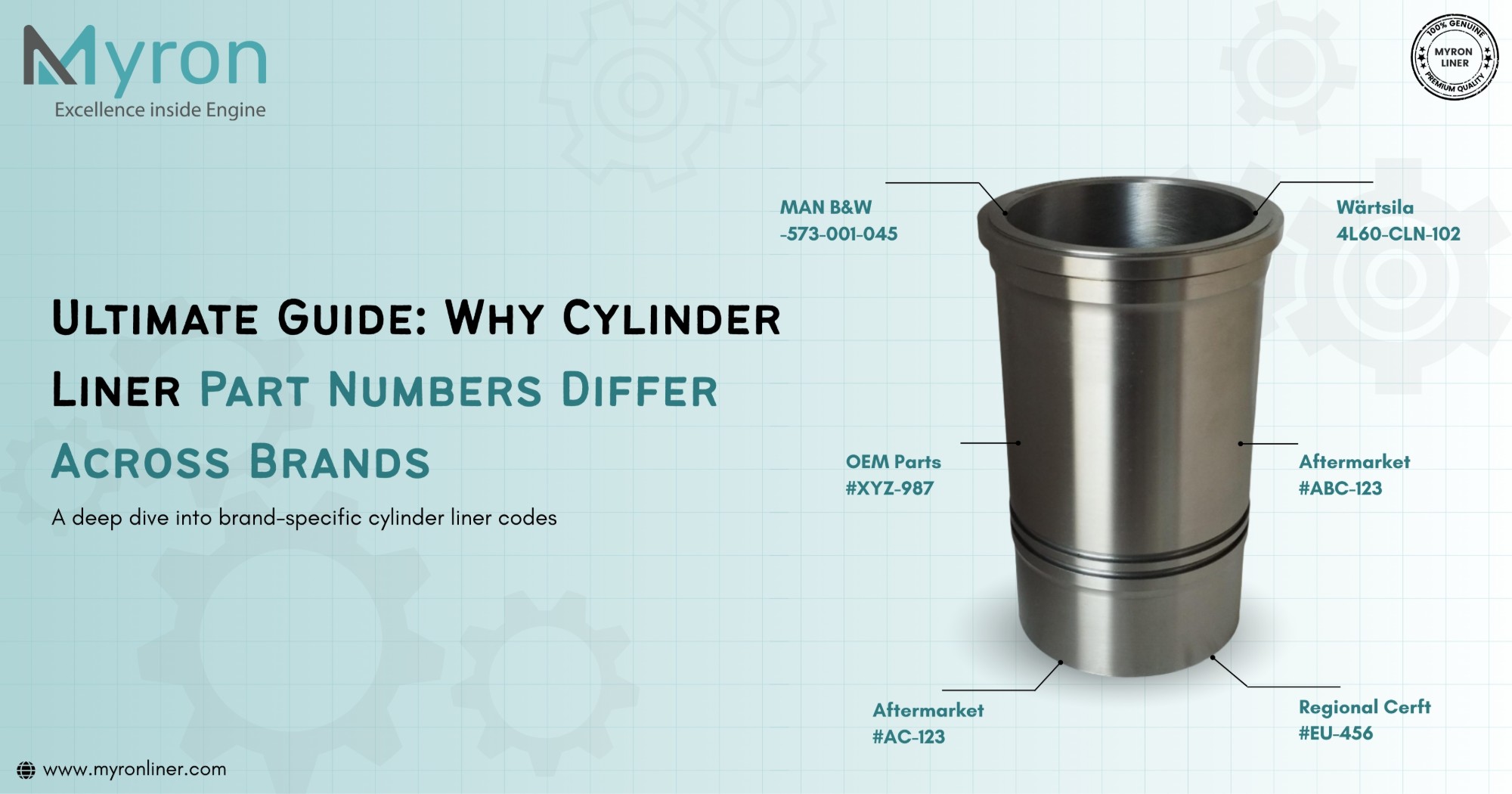
Ultimate Guide: Why Cylinder Liner Part Numbers Differ Across Brands
When it comes to automotive and industrial engines, the role of cylinder liners is essential. They not only ensure the durability of the engine, but they also contribute to the overall performance and efficiency of the vehicle. A commonly overlooked component, cylinder liners come with different part numbers, often confusing car enthusiasts, mechanics, and even engineers. But why do cylinder liners have different part numbers? What makes these part numbers so unique, and why do they matter?
In this article, we'll delve deep into the reasons behind the variety in cylinder liner part numbers and why it's essential to understand them for engine maintenance and repairs.
Understanding Cylinder Liners and Their Role in Engines
Cylinder liners, also known as engine sleeves, are crucial components that sit inside the engine block. They create a smooth and hardened surface for the piston rings to make contact with, facilitating a friction-free motion of the piston during the combustion process. These liners help protect the engine block from wear and tear caused by the repeated movements of the pistons and the combustion gases.
Without these liners, the engine would experience excessive wear, leading to overheating, reduced engine performance, and even total engine failure. The liners also provide a controlled environment for the piston rings, which allows the engine to operate efficiently and effectively for longer periods.
Given the essential function of cylinder liners, it's no surprise that various types of these liners exist, each with distinct features, designs, and specifications. That's where part numbers come into play.
What Exactly Are Cylinder Liner Part Numbers?
Cylinder liner part numbers are unique identification codes assigned to each type of cylinder liner produced by a manufacturer. These part numbers help mechanics, engineers, and suppliers quickly identify the exact part required for a specific engine model or make. Part numbers typically indicate several factors, including the material, size, design, engine compatibility, and manufacturer.
When a cylinder liner needs to be replaced or repaired, having the correct part number ensures that the replacement part fits the engine perfectly and maintains its optimal performance. Manufacturers often use these numbers to differentiate between various types of cylinder liners based on their specific use cases, materials, and manufacturing processes.
Factors Leading to Different Cylinder Liner Part Numbers
1. Engine Specifications
One of the main reasons cylinder liners have different part numbers is the engine specifications. Each engine is designed with specific parameters that influence the design and material of the cylinder liners. For instance, diesel engines, gas engines, and high-performance engines may require different liners that are optimized for those particular engines.
- Diesel Engines: Diesel engines tend to generate more heat and pressure compared to gasoline engines, so their liners need to be more durable and resistant to wear.
- Gasoline Engines: Gasoline engines usually operate at lower temperatures and pressures, meaning the liners may be made from lighter, less heat-resistant materials.
- High-Performance Engines: Engines designed for racing or heavy-duty applications require advanced cylinder liners that can withstand extreme conditions.
2. Material Variations
Cylinder liners can be manufactured from various materials, such as cast iron, steel, or alloyed metals, each with distinct properties that suit different types of engines. The material used for a particular liner plays a vital role in determining the liner's durability, heat resistance, and wear resistance.
- Cast Iron: Cast iron is commonly used for standard production vehicles due to its excellent wear resistance and heat retention properties.
- Steel: Steel liners are used in high-performance or heavy-duty engines because they are stronger and more resistant to heat.
- Aluminum Alloys: Aluminum liners are lightweight and often found in performance vehicles due to their ability to dissipate heat more efficiently.
Each material requires a different set of manufacturing techniques, and the part numbers are used to identify these differences. A cast iron liner for a diesel engine will have a completely different part number from a steel liner for a high-performance sports car engine, even though both may serve the same function.
3. Engine Configuration
Engines come in different configurations—ranging from inline engines to V-shaped engines, and even flat or opposed engines. The number of cylinders and the overall layout of the engine can significantly impact the design of the cylinder liner.
- Inline Engines: These engines have a straightforward design with all cylinders arranged in a single row, making the cylinder liners uniform in size and design.
- V-Type Engines: In V-type engines, the cylinders are arranged in two banks, and this layout may require specially designed cylinder liners that are angled or shaped differently to accommodate the engine's unique structure.
- Flat or Opposed Engines: These engines often require liners that differ in their dimensions due to the unique geometry of the engine.
Each of these configurations leads to different demands on the cylinder liners, and manufacturers will assign a specific part number for liners designed for a particular engine layout.
4. Size and Shape
The size and shape of a cylinder liner are integral to the engine's overall performance. The diameter, length, and thickness of the liner must match the corresponding piston and engine bore. Engine manufacturers often make small adjustments to these dimensions based on performance goals or specific applications.
- Standard Liner Sizes: Most engines will use standard-sized liners that are made to fit typical applications.
- Custom Sizes: Some engines, especially high-performance or heavy-duty models, may require custom-sized liners to achieve optimal performance.
As a result, different part numbers are assigned based on the various size and shape combinations available.
5. Coating and Surface Treatments
Cylinder liners are often subjected to various surface treatments to improve their durability, performance, and longevity. These treatments may include nitriding, plating, or other coating processes to provide better wear resistance, lower friction, and improved heat dissipation.
- Nitriding: This hardens the surface of the cylinder liner, making it more resistant to wear and corrosion.
- Plating: Some liners undergo a plating process to enhance their wear resistance or provide a smoother surface for the piston rings.
The addition of coatings and surface treatments influences the liner's part number. A liner with a specific surface treatment will have a distinct part number compared to a standard liner without these enhancements.
6. Brand and Manufacturer Variations
Different manufacturers produce cylinder liners that may seem similar at first glance but can have subtle differences in design, material, or construction quality. As such, each manufacturer will assign unique part numbers to their cylinder liners, even if the liners are meant for the same engine model.
Brand loyalty plays a significant role in part number differentiation, as manufacturers design their parts with their specific standards and quality control procedures in mind. It's crucial to ensure that the part number corresponds to the correct brand when ordering replacements.
7. Engine Use and Performance Level
Cylinder liners are also categorized by the type of engine they are used in. For instance, a standard passenger car engine may require a different cylinder liner than one designed for a heavy-duty truck or an industrial generator. Similarly, high-performance engines, such as those used in sports cars or racing vehicles, will require specialized liners built to handle extreme heat and pressure.
- Standard Engines: These typically use less expensive liners designed for everyday use.
- Heavy-Duty Engines: These engines require liners with enhanced durability to withstand higher loads and longer operational hours.
- Performance Engines: Liner materials and coatings are often optimized for high RPMs, extreme temperatures, and higher power outputs.
Why Cylinder Liner Part Numbers Differ Across Brands and OEMs
When looking at cylinder liners from different manufacturers like Mahle, KS, Goetze, and OEMs like Deutz, Perkins, or Komatsu, they may appear identical at first glance. However, the part numbers differ significantly across brands and manufacturers. These differences aren't arbitrary but are rooted in several important factors related to engineering precision, traceability, market-specific configurations, brand differentiation, and product packaging.
1. Engineering Design & Dimensional Precision
Each cylinder liner is engineered with very precise tolerances. Even the smallest changes in bore size, wall thickness, or height can make a significant difference in how an engine performs.
For example, a 0.01 mm variation in the liner's dimensions might seem insignificant, but it can impact crucial engine characteristics such as:
- Compression ratio: The ratio between the engine's cylinder volume at the bottom and top of the piston stroke. Even a small change can lead to drastic differences in engine efficiency and power.
- Heat dissipation: The ability of the engine to manage the heat generated during combustion. Slight changes in the liner's design can affect the engine's cooling efficiency.
- Piston clearance: The space between the piston and the liner. If too tight or too loose, this clearance can cause engine damage, performance loss, or increased wear.
Thus, Mahle, KS, Goetze, and other brands may tweak these dimensions to suit specific needs or preferences for their particular engine types. This variation in engineering design is one of the primary reasons why part numbers differ. Each liner is unique to the specifications of the OEM (such as Deutz or Komatsu) or the brand, ensuring that the engine operates optimally.
2. Traceability & Quality Control
Part numbers also play a vital role in traceability and quality control. Each unique part number allows manufacturers to trace the origin of the cylinder liner. This includes details about:
- Manufacturing batch: Every part produced can be traced back to its specific production lot, ensuring quality across the production process.
- Material source: The quality of the materials used in making the liner can be traced back to the supplier, helping prevent defects.
- Defect management: If a defect occurs, part numbers provide a track-and-trace mechanism to identify the specific batch, foundry location, and testing report related to the part in question.
Read more: Why Plateau Honing Is Crucial in Cylinder Liner Manufacturers
3. Market Variations or Engine Variants
The market or engine variant can also influence the cylinder liner's design. For example, the same engine family might need different liners depending on whether the engine is turbocharged or naturally aspirated. Other factors include regional emission norms, local fuel quality, and specific power requirements.
Even though the engine family may be the same (e.g., the Deutz 912 engine), these factors mean that the liner part number can vary depending on the specific market or engine variant, ensuring that each part meets the unique needs of the engine it's intended for.
4. Brand Strategy & Aftermarket Control
OEMs and parts suppliers like Mahle, KS, and Goetze use different part numbers for the same engine components to differentiate their brands and maintain control in the aftermarket.
These brands often choose to create their cataloging systems and part numbers for several reasons:
- Intellectual property protection: Even though the liners might fit the same engine, each brand has proprietary design features and manufacturing processes that they want to protect.
- Aftermarket differentiation: Using distinct part numbers allows brands to stand out in the crowded aftermarket parts market, even when the parts are functionally equivalent.
- Pricing and warranty control: By using their part numbers, these manufacturers can ensure that their products are sold at appropriate prices and that the warranty process is streamlined and easily traceable.
For example, a Deutz 912 engine may use the same liner design across brands, but each assigns its own part number:
Deutz OEM: 04157763
Mahle: 099 WR 29 00
KS (Kolbenschmidt): 89-052070-00
Goetze: 14-1306-00
This allows each brand to control the parts and ensure that they are responsible for the quality, service, and warranty associated with their products.
5. Packaging, Kit Content & Standards
The configuration of the product being sold can also influence the part number. A cylinder liner can be sold in different formats, each with its unique part number. For example:
- Liner only: A single part number may be used for a standalone cylinder liner.
- Liner with a piston, rings, and pins: When sold as part of a kit, a new part number is assigned to reflect the full package.
- Liner with special coatings: Some liners come with coatings like phosphate or graphite to improve performance. These liners will have their own part numbers to differentiate them from standard options.
The Impact of Cylinder Liner Part Numbers on Engine Performance
The significance of cylinder liner part numbers extends far beyond just identification. These part numbers are a direct representation of an engine's operational capabilities. The materials, design, and treatment associated with a specific part number determine the overall effectiveness of the liner in performing its function. Here's why these details matter for engine performance:
- Optimizing Engine Efficiency: The proper cylinder liner ensures that the piston rings operate smoothly, creating the ideal seal that leads to better fuel combustion. This results in improved fuel efficiency, as the engine can perform its tasks with minimal energy loss.
- Heat Management: Engines generate immense heat, and the right cylinder liner helps in dissipating that heat effectively, which is especially crucial in high-performance or heavy-duty applications. Choosing the wrong liner could lead to poor heat dissipation, causing the engine to overheat.
- Enhanced Durability: Cylinder liners designed for specific engine configurations are built to last. They are designed to withstand the stress placed on them over time, reducing wear and tear, which prolongs the engine's lifespan.
- Maximized Power Output: In high-performance engines, the cylinder liner plays a crucial role in enabling the engine to produce higher power outputs. The correct liner provides the right balance of resistance, heat dissipation, and friction management, all contributing to maximizing the engine's horsepower and torque.
Thus, when you choose the right part number, you're ensuring that each component functions at its best, contributing to a well-performing and long-lasting engine.
Cylinder Liners in Various Industries and Their Part Numbers
While automotive engines are the most common applications for cylinder liners, these components are also critical in other industries, such as industrial machinery, maritime engines, and aviation. The part numbers of cylinder liners used in these industries can vary significantly based on the operational environment and demands. Let's explore how cylinder liners in different industries are designed and why they require unique part numbers:
1. Industrial Machinery
In industrial machinery, cylinder liners are used in engines powering generators, pumps, compressors, and other heavy-duty equipment. These engines typically operate under extreme conditions, where durability is the key factor. The part numbers in these industries reflect the engine's capacity, operational hours, and the need for durability.
- Durability Needs: Industrial engines often run for extended periods at high loads, requiring liners made of stronger materials such as steel or hardened alloys. This ensures that the liner can withstand constant wear and tear.
- Custom-Sized Liners: Some industrial engines have custom-engineered cylinder liners to fit specific engine designs or operational specifications. These custom liners will have entirely different part numbers, as they cater to highly specialized needs.
2. Maritime Engines
Engines in ships and submarines operate in harsh marine environments where saltwater exposure can cause significant corrosion and wear. Cylinder liners in maritime engines are designed to resist corrosion, which is why their part numbers often reflect the use of corrosion-resistant materials or coatings.
- Corrosion Resistance: Maritime cylinder liners are often made of special alloys or treated with coatings to withstand the corrosive effects of saltwater.
- Customization: Some maritime vessels, especially large cargo ships or naval ships, require large or customized liners to accommodate heavy-duty engine specifications. These liners often have specialized part numbers based on the ship's power requirements.
3. Aviation Engines
Aviation engines must meet very stringent safety and performance standards due to the extreme conditions they operate under. Cylinder liners in aviation are designed for high performance and must be lightweight yet highly durable. These engines often operate at altitudes where temperature fluctuations are significant, requiring liners that can adapt to these challenges.
- Weight Considerations: Aviation engines must be as light as possible without compromising performance. As such, the cylinder liners used in aircraft engines are often made from lightweight but durable materials such as titanium or specialized alloys. The part numbers for these liners reflect these advanced materials.
- Precision Engineering: Since aviation engines are finely tuned for optimal performance and safety, even the smallest change in liner design can affect the engine's performance. These differences are reflected in the part numbers to ensure exact specifications are met.
How to Find the Right Cylinder Liner Part Number for Your Engine
Finding the correct cylinder liner part number is crucial for ensuring optimal engine performance and longevity. Here are a few tips on how to do it:
1. Check the Owner's Manual
The simplest way to find the correct part number for your engine's cylinder liner is by checking the engine's owner's manual. Manufacturers often list the part numbers for all essential components, including cylinder liners, which simplifies the replacement process.
2. Use Manufacturer Resources
Manufacturers typically offer online parts catalogs and databases where you can search for cylinder liners by engine model, part number, or other specifications. This is an easy way to ensure you're ordering the right part number.
3. Consult a Mechanic or Dealer
If you're unsure about the part number or don't have access to the owner's manual, consulting with a professional mechanic or authorized dealer can help. They'll have the expertise and resources to identify the right part number for your engine.
4. Verify Compatibility
When purchasing replacement liners, always double-check the part number to ensure it's compatible with your engine model. Compatibility is critical to ensuring the engine runs efficiently and lasts for a long time.
What Happens If You Choose the Wrong Cylinder Liner?
Choosing the wrong cylinder liner can have serious consequences. The main risks of using an incorrect liner include:
- Increased Wear: A liner that doesn't match the specifications can lead to excessive friction between the piston rings and the liner, causing premature wear.
- Reduced Performance: The wrong liner can affect the engine's compression, reducing its power output and fuel efficiency.
- Overheating: Mismatched liners can cause poor heat dissipation, leading to engine overheating.
- Expensive Repairs: Using incorrect parts may lead to more significant issues down the line, requiring costly repairs and replacements.
Read More: Understanding How Engine Piston Rings Work
What to Do If the Part Number Is Not Available?
In some cases, especially in older engines, the part number for the cylinder liner may no longer be available. In such cases, engine owners may need to rely on universal parts or custom-engineered solutions.
- OEM Alternatives: Some aftermarket manufacturers provide replacements for obsolete parts, which can be matched based on dimensions and specifications.
- Custom Solutions: For rare or vintage engines, custom liners may need to be fabricated. This process requires detailed measurements and compatibility checks.
Conclusion
Cylinder liners play a vital role in ensuring that an engine runs smoothly and efficiently. Different part numbers exist for cylinder liners due to variations in engine specifications, material types, surface treatments, and other factors like engine configuration and performance level. Understanding these part numbers is crucial for ensuring proper maintenance and avoiding costly errors in engine repairs.
By paying attention to the specific part number of the cylinder liner required for your engine, you can ensure that the engine remains in top condition, performing optimally for years to come.
Reference:
Cylinder (engine) by Wikipedia[1].
FAQ
What is the HS code for a cylinder liner?
The HS code (Harmonized System Code) for cylinder liners generally falls under 8409.91, which is used for "Parts for spark-ignition or compression-ignition engines."
How to measure a cylinder liner?
To measure a cylinder liner, you typically need to measure its inner diameter (ID) and the outer diameter (OD) using a micrometer. You also need to check for any wear or distortion to ensure it fits properly within the engine block.
Where is the part number on a hydraulic cylinder?
The part number on a hydraulic cylinder is often stamped or engraved on the cylinder's barrel or the end cap. It can typically be found near the base or the body of the cylinder.
What materials are cylinder liners made of?
Cylinder liners are typically made of cast iron, though they can also be made from other materials like steel or aluminum, depending on the engine design. Cast iron is preferred for its wear resistance and durability.
How do you know if a cylinder liner is worn out?
A worn-out cylinder liner will show signs such as increased engine oil consumption, loss of compression, or visible grooves and scratches inside the liner. You can measure the liner's diameter to check for excessive wear compared to the manufacturer's specifications.
Can a cylinder liner be repaired?
In some cases, a cylinder liner can be repaired by reboring or honing to restore the correct dimensions. However, if the liner is severely worn or damaged, it may need to be replaced entirely.
Reference & Trademark Disclaimer
All manufacturer names, trademarks, logos, product names, part numbers, model numbers, descriptions, and other identifying references mentioned in this article are used for identification, reference, and cross-reference purposes only.
Such references do not imply any affiliation, association, authorization, sponsorship, approval, or endorsement by the respective manufacturers or trademark owners. All trademarks, brand names, product names, part numbers, and related intellectual property remain the property of their respective owners.
MYRON LINER LLP is an independent manufacturer and supplier of engine components. The use of any third-party name or reference is solely intended to help readers identify the applicable engine, component, or application.