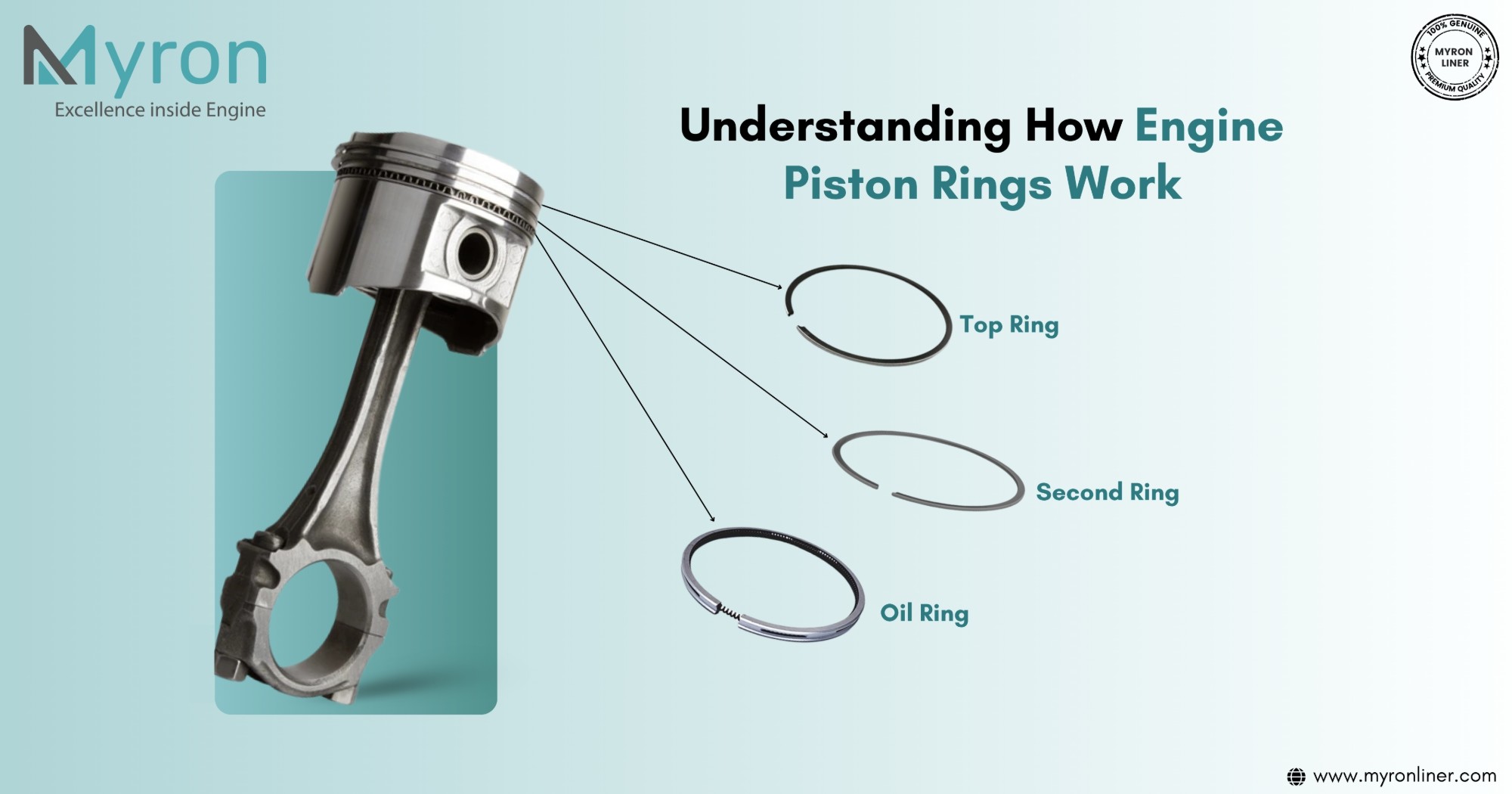
Understanding How Engine Piston Rings Work
The smooth operation of any internal combustion engine relies on a set of small but powerful components—piston rings. These rings, although often overlooked, are crucial for maintaining engine efficiency, power output, and longevity. Whether you drive a compact hatchback or operate a heavy-duty truck, understanding how engine piston rings work will give you better insights into engine maintenance and performance.
What Are Piston Rings?
Piston rings are circular metallic rings that fit into the grooves on the outer diameter of an engine piston. These rings maintain a seal between the piston and the cylinder wall, allowing for efficient combustion and minimizing the loss of gases. Without them, an engine would lose pressure, consume more oil, and ultimately underperform.
Typically, there are three types of piston rings used in a four-stroke engine:
- Compression Ring
- Wiper Ring (also called Intermediate or Scraper Ring)
- Oil Control Ring
Each ring serves a distinct purpose and works in unison to ensure smooth engine operation.
The Role of Each Type of Piston Ring
1. Compression Ring
The compression ring is the topmost ring on the piston. Its primary function is to seal the combustion chamber, trapping the expanding gases generated during combustion. This ring prevents the gases from escaping into the crankcase, maintaining the engine size performance and pressure required for optimal power delivery.
Compression rings are usually made from durable materials like cast iron or steel alloys to withstand high temperatures and pressures. Some are coated with chromium or molybdenum to enhance wear resistance. These coatings reduce friction and wear, prolonging the ring's service life. A well-functioning compression ring is essential for achieving maximum fuel efficiency and power output, making it a key component in engine performance.
2. Wiper Ring (Scraper Ring)
Located below the compression ring, the wiper ring serves two purposes. First, it acts as a backup seal for the compression ring. Second, it helps to scrape excess oil off the cylinder walls and return it to the crankcase. This ensures that just the right amount of oil remains for lubrication without entering the combustion chamber.
The wiper ring is also crucial in preventing carbon buildup on the cylinder walls, which could impair piston movement over time. It reduces oil consumption and ensures a cleaner combustion process, helping engines meet emission standards. When this ring fails, the engine may experience increased oil consumption and visible blue smoke from the exhaust.
3. Oil Control Ring
This ring is situated at the bottom and is designed specifically to regulate the amount of oil that lubricates the cylinder wall. It usually consists of two thin rails with a spacer-expander ring between them. The oil control ring ensures that excess oil does not enter the combustion chamber, which could otherwise lead to oil burning and increased emissions.
Proper operation of the oil control ring is essential for engine cleanliness and longevity. Ensuring consistent lubrication while minimizing excess oil helps reduce internal friction and prevents oil fouling of spark plugs. Advanced designs in modern engines often use multi-piece oil control rings for improved flexibility and sealing capabilities.
How Piston Rings Work in the Combustion Cycle
The functioning of piston rings can be best understood through the four-stroke cycle: intake, compression, power, and exhaust.
- Intake Stroke: As the piston moves downward, the intake valve opens and allows the air-fuel mixture to enter the combustion chamber. The piston rings provide a tight seal, ensuring minimal leakage. And preventing oil from entering the combustion chamber. A well-sealed intake stroke ensures the maximum volume of the air-fuel mixture is drawn into the cylinder, which is vital for consistent performance, especially in engines with larger engine sizes.
- Compression Stroke: The piston moves upward, compressing the air-fuel mixture. Here, the compression ring plays a critical role by sealing the chamber and building pressure. This pressure is crucial for achieving powerful ignition and efficient fuel usage. If the compression ring fails, it can significantly reduce the engine's efficiency and power output, especially in high-performance engines.
- Power Stroke: When the spark plug ignites the compressed mixture, it generates a high-pressure explosion that forces the piston down. The rings must withstand this intense force while maintaining a perfect seal to prevent gas blow-by. The compression ring ensures that the combustion force is directed entirely into mechanical motion, maximizing power output. Properly functioning rings also prevent heat from transferring excessively to the piston, helping manage engine temperatures.
- Exhaust Stroke: Finally, the piston moves back up to expel exhaust gases through the open exhaust valve. The rings again help ensure no gases escape prematurely into the crankcase. The sealing action provided by the rings maintains engine cleanliness and prevents exhaust contamination in the oil. For engines of any engine size, this step is essential in preserving emission standards and operational reliability.
Read More: How Engine Valves Work: Function, Types & Importance Explained
Piston Ring Lifespan: How Long Do They Last?
The lifespan of piston rings depends on various factors such as engine design, driving habits, oil quality, and maintenance routines. On average, piston rings can last between 100,000 to 150,000 kilometres (60,000 to 90,000 miles) in a well-maintained engine. However, engines used in extreme conditions or racing applications may require more frequent inspection and replacement.
Signs like increased oil consumption, reduced compression, and blue exhaust smoke may indicate that the piston rings are nearing the end of their service life. Timely replacement is critical to prevent damage to the piston, cylinder liner, and other engine components.
Importance of Proper Ring Functionality
When piston rings function correctly, they contribute to:
- Efficient combustion
- Minimal oil consumption
- Reduced emissions
- Optimal power output
- Long engine life
Conversely, worn or damaged rings can lead to problems like blow-by (when gases escape past the rings into the crankcase), oil burning, poor fuel economy, and increased emissions.
Common Causes of Piston Ring Failure
Even with high-quality materials, piston rings can fail due to:
- Poor lubrication: Using low-quality or contaminated engine oil can cause excessive wear.
- Overheating: Constant high temperatures can reduce metal strength and elasticity.
- Incorrect installation: Improperly gapped or misaligned rings can lead to breakage or ineffective sealing.
- Engine detonation or pre-ignition: These combustion issues put additional stress on rings, leading to cracks or scuffing.
Understanding these causes helps in prolonging the lifespan of piston rings and maintaining engine health.
Conclusion: Small Parts, Big Impact
Piston rings may be small, but they are essential for the heart of your vehicle—the engine. They keep your engine running smoothly by sealing combustion pressure, regulating oil consumption, and reducing emissions. Whether you're maintaining a personal car or managing a fleet, understanding how piston rings work can guide better maintenance practices and improve performance over time.
Trusted Supplier for Cylinder Liners
If you're seeking high-quality engine components, consider Myron Liners, a trusted manufacturer and supplier of cylinder liners. Their precision-engineered products ensure durability, high performance, and compatibility across various engine sizes. Learn more about their offerings here: cylinder liner.
By combining quality materials with expert engineering, Myron Liners delivers reliable solutions for all your engine component needs.
Reference:
Piston ring by Wikipedia[1].
FAQ
1. What do the piston rings do?
Piston rings create a seal between the piston and the cylinder wall, helping to contain combustion gases, control oil consumption, and transfer heat from the piston to the cylinder liner. They ensure smooth engine operation by maintaining compression and preventing gas leakage.
2. How many piston rings are used?
Most modern four-stroke engines use three piston rings per piston: two compression rings and one oil control ring. This configuration helps maintain efficient combustion, oil regulation, and reduced emissions. However, the number can vary based on the engine type and size.
3. What is the primary purpose of a piston?
The primary purpose of a piston is to convert the energy generated during the combustion process into mechanical motion. It moves up and down within the cylinder, driven by the expansion of gases, which in turn rotates the crankshaft to power the vehicle.
4. What do piston rings prevent?
Piston rings prevent combustion gases from leaking into the crankcase, oil from entering the combustion chamber, and excess oil from remaining on the cylinder wall. This protects the engine from power loss, increased emissions, and excessive oil consumption.
5. What happens if the piston rings fail?
If piston rings fail, the engine may lose compression, resulting in reduced power and fuel efficiency. It can also cause oil to leak into the combustion chamber, leading to excessive oil consumption, blue smoke from the exhaust, and increased engine wear over time.
Reference & Trademark Disclaimer
All manufacturer names, trademarks, logos, product names, part numbers, model numbers, descriptions, and other identifying references mentioned in this article are used for identification, reference, and cross-reference purposes only.
Such references do not imply any affiliation, association, authorization, sponsorship, approval, or endorsement by the respective manufacturers or trademark owners. All trademarks, brand names, product names, part numbers, and related intellectual property remain the property of their respective owners.
MYRON LINER LLP is an independent manufacturer and supplier of engine components. The use of any third-party name or reference is solely intended to help readers identify the applicable engine, component, or application.