The Ultimate Guide to Engine Gaskets: Types and Functions
When it comes to internal combustion engines, one of the most critical yet often overlooked components is the engine gasket. These unsung heroes ensure that engine systems operate smoothly by preventing leaks and maintaining pressure. In this comprehensive guide, we'll explore what engine gaskets are, their primary types, and how they function within an engine. Whether you're a mechanic, engine builder, or just an enthusiast, understanding gaskets and seals can help you maintain better engine performance and reliability.
What Is an Engine Gasket?
An engine gasket is a mechanical seal that fills the space between two or more mating surfaces. Its primary role is to prevent leakage of fluids or gases while under compression. In automotive engines, gaskets serve to seal oil, coolant, fuel, or combustion pressure between various engine components.
Engine gaskets are made from a variety of materials, including multi-layer steel (MLS), composite materials, copper, rubber, and silicone, depending on their intended application. Their proper installation and maintenance are crucial to engine longevity and efficiency.
Why Engine Gaskets Are Essential
Engine gaskets play a pivotal role in ensuring the engine functions optimally. Their core functions include:
- Sealing combustion chambers to prevent leaks of gases
- Preventing oil and coolant from mixing
- Allowing different engine parts to expand and contract without losing their seal
- Enhancing the lifespan and performance of engine parts
Without these gaskets, engines would quickly fail due to leaks, overheating, and loss of compression.
Gaskets maintain the internal pressure necessary for efficient combustion and proper lubrication. They also help in managing engine temperature by ensuring the coolant flows correctly through the cooling passages. Even a small gasket failure can disrupt the engine's balance, causing reduced performance, emissions issues, or even complete breakdowns. That's why regular inspection and timely replacement of gaskets are critical for long-term engine health.
Common Gasket Types in Automotive Engines
There are several types of engine gaskets, each designed for a specific function. Let's look at the most common gasket types used in aftermarket engine builds:
1. Head Gasket
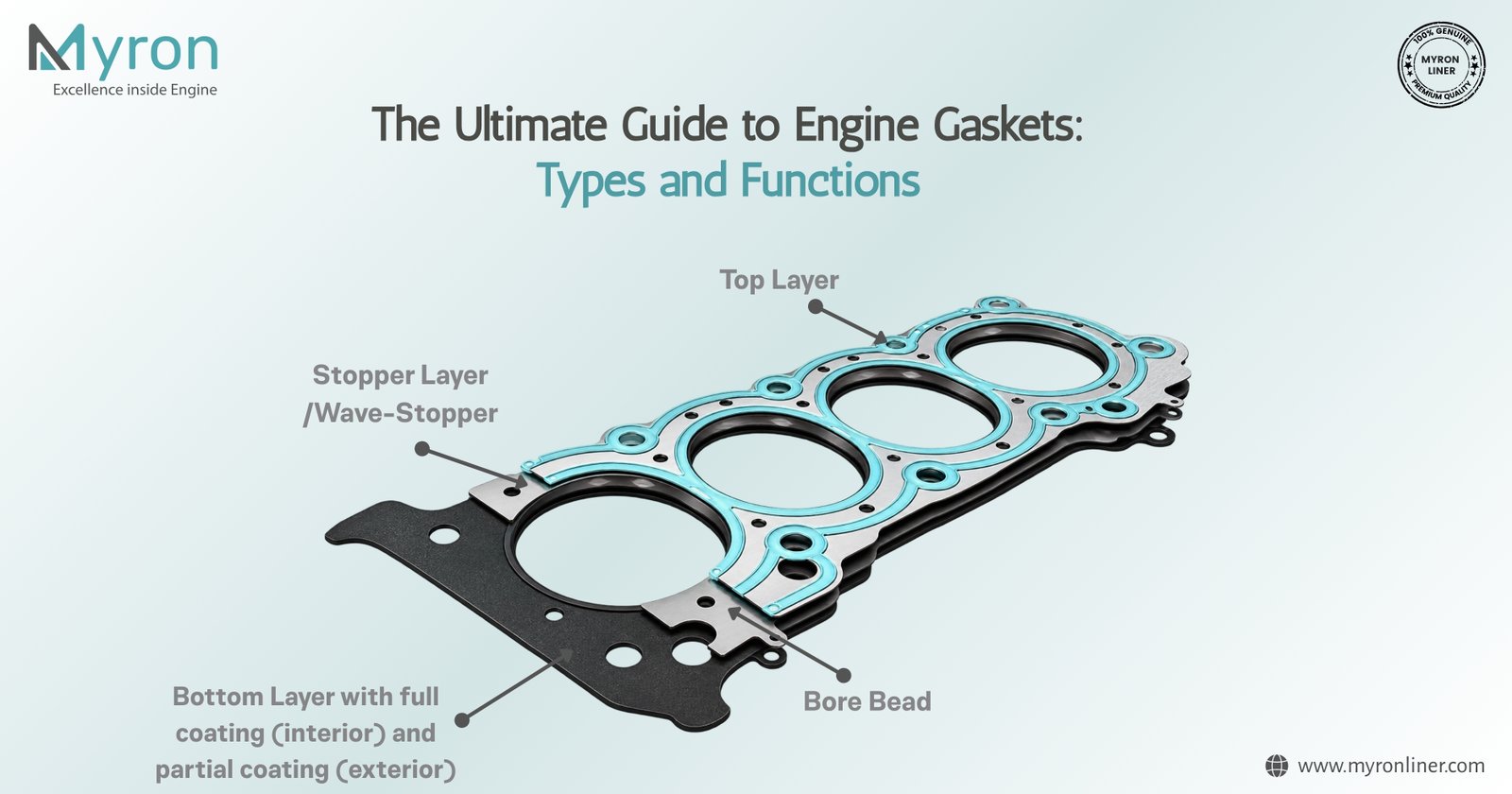
The head gasket is arguably the most crucial in an engine. It sits between the engine block and the cylinder head. Its main role is to seal the combustion chambers, allowing the engine to build compression while keeping coolant and oil separate from each other.
A failed head gasket can result in coolant leaks, oil contamination, white exhaust smoke, and loss of engine power. Because of its significance, most head gaskets are made from durable materials such as multi-layer steel (MLS).
2. Valve Cover Gasket
The valve cover gasket seals the joint between the valve cover and the top portion of the cylinder head. It prevents engine oil from leaking out as it lubricates the valvetrain components. Over time, heat and pressure can cause this gasket to wear, leading to oil leaks. Replacing a worn valve cover gasket is essential to prevent oil from dripping onto hot engine parts, which can be hazardous.
3. Intake Manifold Gasket
The intake manifold gasket creates a seal between the intake manifold and the cylinder head. Its job is to ensure that air (and sometimes fuel) entering the engine doesn't leak out, and that coolant channels don't mix with intake air. Leaks here can cause poor engine performance, rough idling, or increased fuel consumption.
4. Exhaust Manifold Gasket
The exhaust manifold gasket seals the space between the engine block and the exhaust manifold. This gasket must withstand high temperatures and pressure from exhaust gases. A damaged exhaust manifold gasket can lead to loud engine noises, decreased power, and emissions issues.
5. Oil Pan Gasket
Located at the bottom of the engine, the oil pan gasket creates a seal between the engine block and the oil pan, which stores engine oil. It prevents oil from leaking out and ensures consistent lubrication of internal components. A leaking oil pan gasket can result in low oil levels, potentially leading to engine damage if left unaddressed.
6. Water Pump Gasket
The water pump gasket seals the connection between the water pump and the engine block. Its function is to keep coolant from leaking out of the water pump housing. If this gasket fails, it can cause engine overheating due to coolant loss, which may damage engine components.
Read More: Complete Guide to Cylinder Blocks: Parts, Types, and Key Functions
Materials Used in Engine Gaskets
Different gasket types require different materials depending on the conditions they need to withstand:
- Multi-Layer Steel (MLS): Common in head gaskets due to high durability and thermal resistance.
- Rubber and Silicone: Used in valve cover and oil pan gaskets for flexibility and oil resistance.
- Graphite or Composite Materials: Often used in exhaust manifold gaskets for their ability to withstand extreme temperatures.
- Cork: Occasionally used in older engines for oil sealing applications.
Choosing the right material ensures the gasket will withstand the engine's operating environment without failure.
Signs of a Failing Engine Gasket
Detecting a bad gasket early can save your engine from costly repairs. Common signs of gasket failure include:
- Overheating
- White or blue smoke from the exhaust
- Loss of engine power
- Oil or coolant leaks
- Milky substance under the oil cap (indicating coolant-oil mixing)
- Unusual engine noises or misfires
Routine inspection and replacement of worn gaskets are essential for engine longevity.
Installation Tips for Aftermarket Engine Gaskets
When installing aftermarket gaskets and seals, proper technique is key:
- Clean the mating surfaces thoroughly before applying the gasket
- Always follow the torque specifications and sequence recommended by the manufacturer
- Use gasket sealants only when specified
- Double-check gasket alignment before tightening components
Aftermarket gaskets offer performance and durability advantages, but incorrect installation can nullify these benefits.
Read More: What Are Aftermarket Engine Parts? A Simple Guide for Beginners
Why Choosing Quality Gaskets Matters
Not all gaskets are created equal. High-quality aftermarket engine gaskets are designed to handle high pressures, resist corrosion, and last longer. Inferior gaskets may lead to repeated failures, increased maintenance costs, and even engine failure.
When sourcing gaskets, consider manufacturers with a proven track record of quality in the engine parts aftermarket.
Partnering with Experts in Engine Parts: Myron Liners
When it comes to aftermarket engine parts, including high-performance engine gaskets and cylinder components, Myron Liners stands out as a trusted name. As a manufacturer and supplier specializing in cylinder liners and precision-engineered engine parts, Myron Liners is committed to delivering durability, performance, and reliability.
Their products are crafted for aftermarket applications, ensuring compatibility, longevity, and superior engine performance. Whether you're rebuilding an engine or upgrading for performance, Myron Liners offers quality parts that meet your expectations.
Final Thoughts
Understanding gasket types and their functions helps ensure proper engine performance and reliability. From the critical head gasket to the often-overlooked oil pan gasket and water pump gasket, every seal plays an essential role in keeping your engine leak-free and efficient.
Whether you're maintaining a daily driver or assembling a high-performance build, investing in quality gaskets and seals is non-negotiable. With expert suppliers like Myron Liners, you gain access to premium engine parts tailored for the aftermarket world.
Keep your engine sealed, cool, and efficient – your performance and longevity depend on it.
Reference:
Gasket by Wikipedia[1].
Head gasket by Wikipedia[2].
FAQ
1. What is a gasket in an engine?
A gasket in an engine is a sealing component placed between two surfaces to prevent fluid or gas leaks. It ensures proper compression and prevents oil, coolant, or air from escaping.
2. How much does it cost to replace an engine gasket?
The cost to replace an engine gasket can range from ₹2,000 to ₹20,000 or more, depending on the type and labor involved. Head gasket replacements tend to be the most expensive due to engine disassembly.
3. What is the purpose of a gasket?
The purpose of a gasket is to create a seal between engine components to prevent leaks. It also allows for thermal expansion and maintains pressure within the engine system.
4. Can a gasket be repaired?
In most cases, damaged gaskets cannot be repaired and must be replaced. Temporary sealants may offer a short-term fix, but they are not a permanent solution.
5. What are the signs of a blown head gasket?
Common signs include white smoke from the exhaust, engine overheating, milky oil, and loss of engine power. You may also notice coolant loss without visible leaks.
6. Are aftermarket engine gaskets reliable?
Yes, high-quality aftermarket gaskets are engineered for durability and performance. They are often preferred in rebuilds or performance upgrades due to their availability and cost-effectiveness.
Reference & Trademark Disclaimer
All manufacturer names, trademarks, logos, product names, part numbers, model numbers, descriptions, and other identifying references mentioned in this article are used for identification, reference, and cross-reference purposes only.
Such references do not imply any affiliation, association, authorization, sponsorship, approval, or endorsement by the respective manufacturers or trademark owners. All trademarks, brand names, product names, part numbers, and related intellectual property remain the property of their respective owners.
MYRON LINER LLP is an independent manufacturer and supplier of engine components. The use of any third-party name or reference is solely intended to help readers identify the applicable engine, component, or application.