What Are Aftermarket Engine Parts? A Simple Guide for Beginners
If you're exploring car maintenance or engine upgrades, you've likely come across the term "aftermarket engine parts." Whether you want better performance, cost savings, or replacement options for worn-out components, understanding what aftermarket engine parts are is crucial. This beginner-friendly guide covers the essentials—from what these parts are and how they compare to OEM options to their benefits, drawbacks and how to choose the right ones.
What Are Aftermarket Engine Parts?
Aftermarket engine parts are components manufactured by third-party companies, not the vehicle's original maker. These parts are built to function as replacements or enhancements to the original engine components. They can be used to restore an engine's performance, upgrade its capabilities, or maintain it at a lower cost.
Unlike OEM (Original Equipment Manufacturer) engine parts, which come directly from the car's maker, aftermarket parts often provide more variety in cost, quality, and performance.
Types of Aftermarket Engine Parts
Aftermarket engine parts can include:
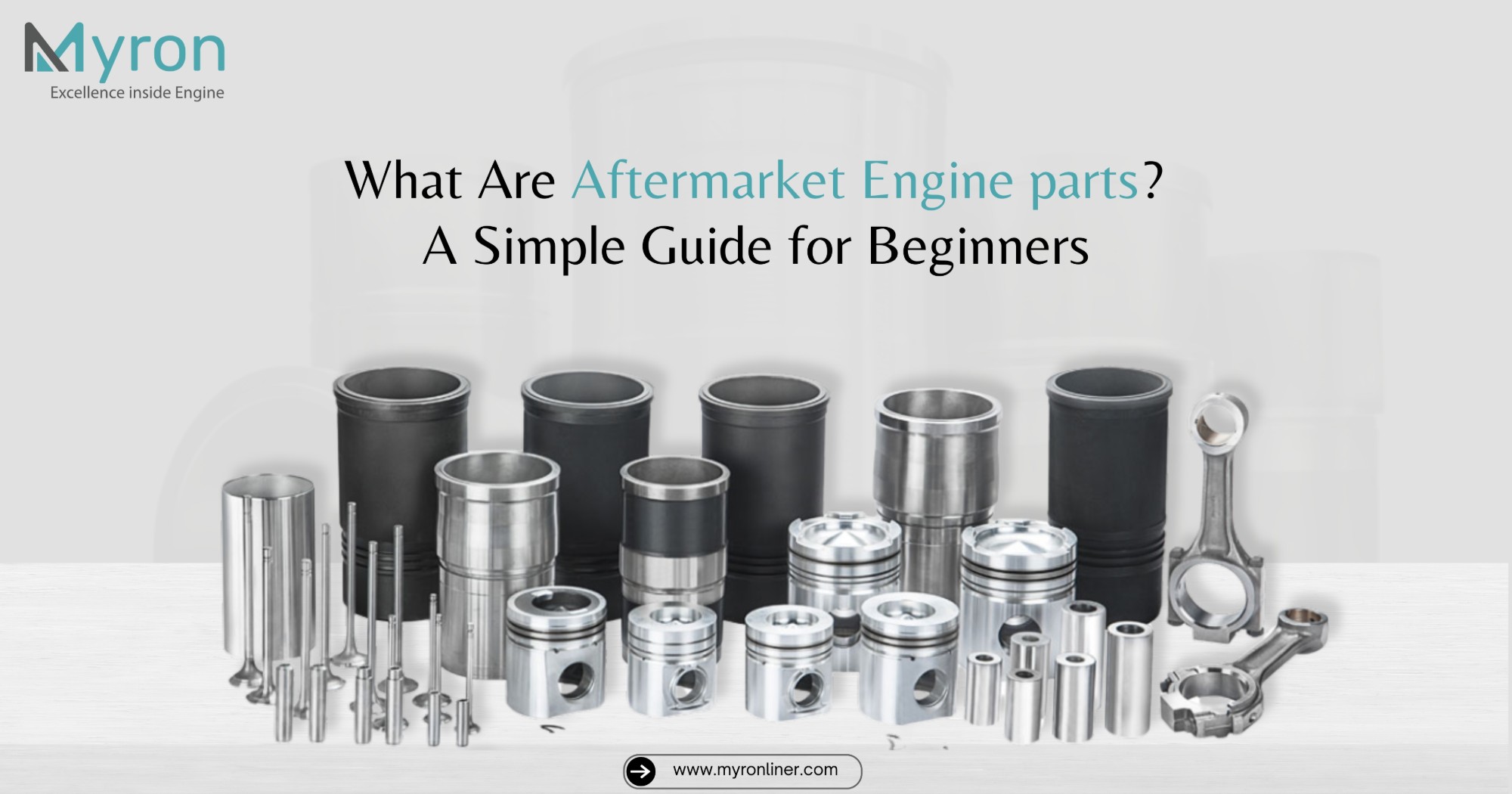
- Pistons and Rings – Vital for engine compression and performance. These components must withstand high temperatures and pressures during engine combustion. High-performance aftermarket pistons can offer improved durability and thermal resistance for racing or heavy-duty applications.
- Cylinder Liners and Sleeves – Help reduce wear and improve heat transfer. They provide a protective barrier between the piston and the engine block, reducing friction and extending engine life. Some aftermarket liners have special coatings to enhance wear resistance and heat dissipation.
- Camshafts and Crankshafts – Affect engine timing and power delivery. Upgraded aftermarket camshafts can improve valve timing for better engine efficiency and horsepower. Similarly, performance crankshafts are designed for higher RPMs and greater load capacity.
- Timing Belts and Chains – Ensure engine valves open and close at the correct time. These parts are crucial for maintaining synchronization between the crankshaft and camshaft. Aftermarket versions may offer improved materials or longer service intervals for added reliability.
- Gaskets and Seals – Prevent leaks and maintain engine integrity. High-quality aftermarket gaskets often use advanced materials like multi-layer steel or composite blends to handle extreme conditions. Proper sealing ensures optimal pressure and fluid retention within the engine.
- Fuel Injectors and Pumps – Control fuel delivery for optimal performance. Upgraded aftermarket injectors can provide a more precise spray pattern, boosting efficiency and power. Performance fuel pumps are designed to deliver higher fuel flow rates to support modified engines.
These parts are used in repairs, upgrades, or to extend engine life.
Aftermarket vs. OEM Parts: What's the Difference?
Manufacturer: OEM parts are made by the original car manufacturer, while aftermarket parts are made by third-party companies.
Price: OEM parts are usually more expensive, while aftermarket parts are often more affordable.
Availability: OEM parts are commonly available through dealerships, while aftermarket parts are widely available online and in stores.
Variety: OEM parts offer limited options, while aftermarket parts come in a wider variety.
Quality: OEM parts are designed to guarantee proper fit and performance, while aftermarket quality can vary by brand and manufacturer.
OEM parts are a safe choice for those who want exact replacements, but aftermarket parts offer flexibility, cost savings, and, in some cases, enhanced performance.
Benefits of Aftermarket Engine Parts
Cost Savings
It is often more affordable than OEM, perfect for those on a budget. Aftermarket suppliers compete on price, which benefits the consumer. You can usually find similar quality at a fraction of the cost of OEM parts.
More Choices
Available from many brands, offering different levels of quality and performance. This allows buyers to find parts that suit specific needs—whether they want high-end performance or basic functionality. It also fosters innovation as brands try to stand out.
Performance Gains
Some parts exceed OEM standards for power, efficiency, or durability. For example, forged pistons or performance camshafts can provide significant horsepower increases. These enhancements can be particularly beneficial for racing, towing, or off-road applications.
Wider Availability
It is found in auto stores, online shops, and independent mechanics. This means faster repairs and more accessible upgrades, especially for older vehicles where OEM parts might be discontinued. Many online platforms also provide customer reviews and installation tutorials.
Customization
Ideal for tuning and engine modifications. You can select fuel efficiency, power, or longevity components that match your driving style. Car enthusiasts often enjoy the flexibility to create unique builds tailored to specific goals.
Cons of Aftermarket Engine Parts
Quality Can Vary
Not all aftermarket parts meet high standards. Research is essential. Some low-cost parts might be made from substandard materials, leading to premature failure or poor performance.
Warranty Risks
Poor installation or part mismatch might void your vehicle's warranty. The manufacturer may not cover the repairs if a faulty aftermarket component causes damage. You must read your warranty terms and consult your dealer when in doubt.
Compatibility Issues
Some parts may not fit perfectly, leading to mechanical issues. Misaligned components can cause noise, vibration, or even long-term damage to your engine. Always double-check specifications and consider professional installation for complex parts.
Overwhelming Choices
Beginners may find it hard to select the right brand or product. With hundreds of brands available, getting lost in the details is easy. Relying on expert reviews or consulting a mechanic can help narrow your options.
Tips for Choosing Aftermarket Engine Parts
- Research the Brand: Go with reputable manufacturers with good reviews. Look for companies in the industry for several years with certifications or awards for product quality. Reading customer testimonials and online forums can also give you real-world insights into a brand's reliability.
- Check Fitment: Ensure the part matches your vehicle's make and model. Use your car's VIN when browsing parts online to ensure exact matches. Precision is key because improper fitment can lead to poor performance or engine damage.
- Compare Options: Don't just go by price—consider specifications and materials. Sometimes, a slightly more expensive part offers significantly better longevity or performance. Pay attention to material construction, heat resistance, and reviews related to wear and tear.
- Ask an Expert: A mechanic can provide guidance on what will work best for your engine. They may also help with sourcing parts and identifying red flags. Professional advice can save you time, money, and potential repair issues.
- Understand Warranties: Choose parts that come with at least a basic warranty. A good warranty protects your investment and indicates the manufacturer's confidence in their product. Read the fine print to understand what's covered and what voids the warranty.
When Should You Consider Aftermarket Parts?
- Post-Warranty Repairs: Aftermarket parts can be a cost-effective way to keep your vehicle running smoothly once your vehicle is out of warranty.
- Customization Projects: Want a unique look or better performance? Aftermarket parts give you creative freedom.
- Routine Maintenance: Items like brake pads, filters, and spark plugs are often more affordable in the aftermarket segment without compromising quality.
- Urgent Replacements: When OEM parts are on backorder or challenging to find, aftermarket parts offer a quick alternative.
Are Aftermarket Parts Safe?
Many aftermarket engine parts are safe and reliable, provided they come from reputable manufacturers. Some high-performance brands are known for exceeding OEM standards. However, always be cautious and avoid counterfeit or substandard components.
Look for parts that meet or exceed industry standards like ISO certification or compliance with regulations like SAE (Society of Automotive Engineers).
Conclusion: Smart Engine Upgrades Start Here
Smart Engine Upgrades Start Here Aftermarket engine parts offer a flexible, cost-effective, and performance-boosting alternative to OEM options. Whether repairing a worn engine or upgrading for better output, they provide great value—if you choose wisely. You can enjoy enhanced performance without compromising reliability by selecting reputable brands, ensuring proper fitment, and consulting with professionals. These parts also allow for more customization, letting you tailor your engine to your specific driving needs or preferences.
Just remember that quality matters—so always do your homework before purchasing. With the right choices, aftermarket engine components can extend your vehicle's lifespan, boost efficiency, and deliver a more enjoyable driving experience.
Need Reliable Engine Components?
At Myron Liners LLP, we specialize in high-performance aftermarket engine components. Our products are built with precision, durability, and superior quality—perfect for mechanics and enthusiasts alike. From cylinder liners to pistons, we offer dependable parts that deliver results. Each component undergoes rigorous quality checks to ensure it meets or exceeds industry standards, giving you peace of mind with every installation. Whether working on a daily driver, a performance build, or a complete engine overhaul, Myron Liners LLP provides the necessary reliability and innovation. With excellent customer service and a vast distribution network, we make getting the parts you need easy when needed.
Reference:
Automotive aftermarket by Wikipedia[1].
FAQ
What is the meaning of aftermarket parts?
Aftermarket parts are components made by companies other than the vehicle's original manufacturer. These parts replace damaged or worn-out original parts, upgrade performance, or customize a vehicle's appearance. They are widely available and come in a range of prices and qualities, offering more choices to consumers.
Are aftermarket parts as good?
Some aftermarket parts are just as good—or even better—than OEM parts, especially those made by reputable brands. However, quality can vary widely depending on the manufacturer. That's why it's essential to research and choose trusted suppliers known for high standards and durability.
Does the warranty cover aftermarket parts?
Some high-quality aftermarket parts come with a manufacturer's warranty, ranging from limited coverage to lifetime guarantees. It's essential to read the warranty terms carefully before purchasing. Remember, incorrect installation or misuse may void the part's warranty or affect your vehicle's original warranty.
Reference & Trademark Disclaimer
All manufacturer names, trademarks, logos, product names, part numbers, model numbers, descriptions, and other identifying references mentioned in this article are used for identification, reference, and cross-reference purposes only.
Such references do not imply any affiliation, association, authorization, sponsorship, approval, or endorsement by the respective manufacturers or trademark owners. All trademarks, brand names, product names, part numbers, and related intellectual property remain the property of their respective owners.
MYRON LINER LLP is an independent manufacturer and supplier of engine components. The use of any third-party name or reference is solely intended to help readers identify the applicable engine, component, or application.