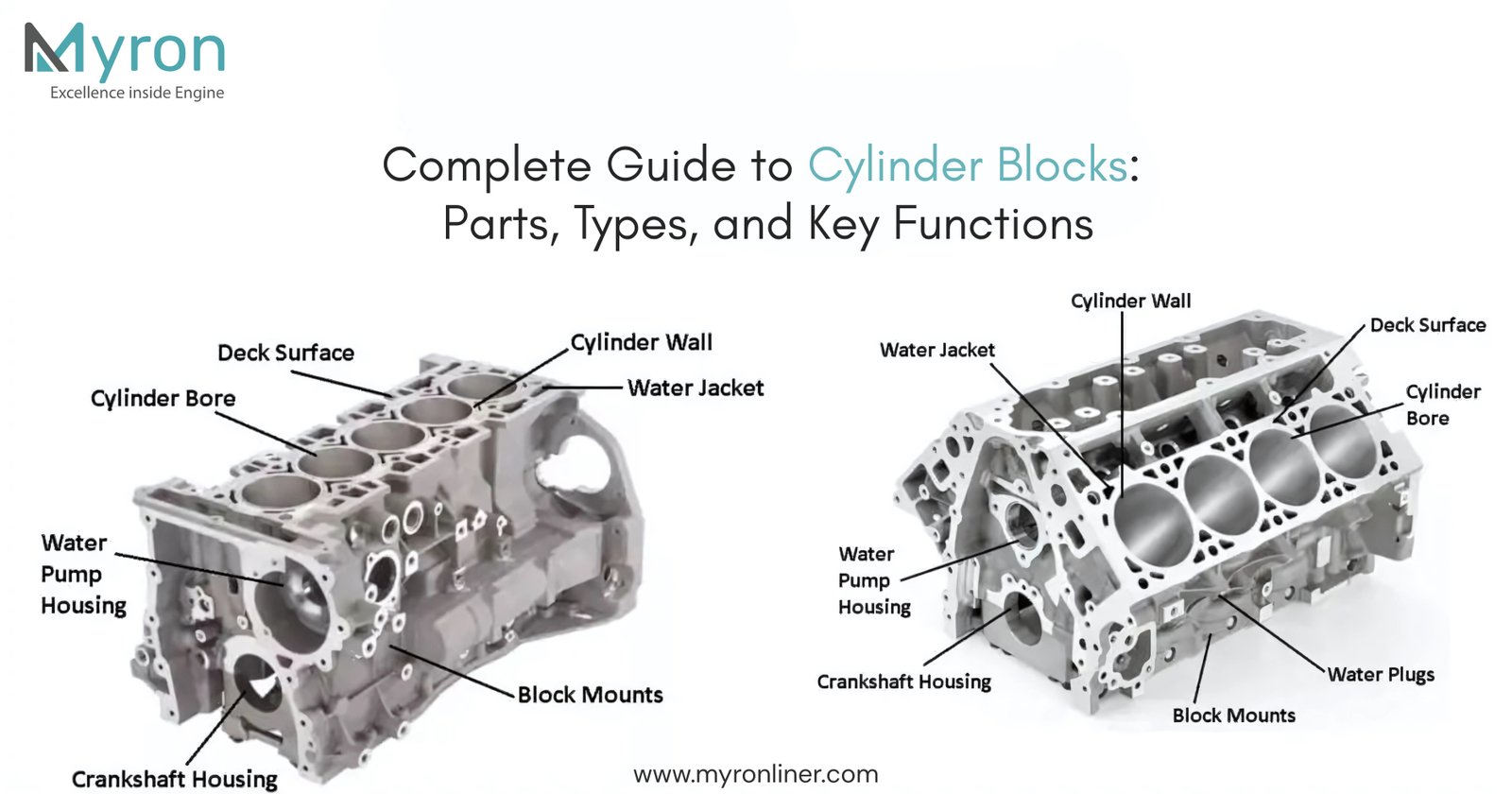
Complete Guide to Cylinder Blocks: Parts, Types, and Key Functions
The cylinder block is the backbone of an internal combustion engine. Acting as the central structure, it houses several critical engine components and forms the framework for the rest of the engine. This in-depth guide will explore the cylinder block's key parts, its different types, and how it functions within an engine. Whether you're an automotive enthusiast, vehicle owner, mechanic, parts distributor, or automotive professional, this comprehensive blog will enhance your understanding of one of the most vital automobile engine components.
What is a Cylinder Block?
The cylinder block, also known simply as the engine block, is the main housing of an engine where cylinders are placed. It is the core structure to which other parts are attached, including the crankshaft, pistons, cylinder head, and other automobile engine components.
It must be robust enough to withstand high pressure and temperature while maintaining structural integrity. Modern cylinder blocks are typically made from cast iron or aluminium alloys through a precise casting process.
Key Functions of the Cylinder Block
1. Houses the Cylinders
The primary function of the cylinder block is to contain the engine cylinders, where combustion occurs. These cylinders accommodate the pistons, which move up and down during combustion to generate power.
2. Supports Engine Components
The block provides the mounting surface for other major engine parts, including the cylinder head, oil pump, water pump, and crankcase. It acts as the structural foundation of the engine, holding all key components in alignment. A well-designed block also minimizes vibrations, helping maintain the engine system's integrity.
3. Lubrication and Cooling
It includes oil and coolant passages to ensure smooth lubrication and effective heat dissipation. Proper lubrication reduces friction between moving parts and prevents wear and tear. Coolant passages, on the other hand, help regulate engine temperature, preventing overheating and ensuring consistent performance.
4. Maintains Engine Alignment
It ensures perfect alignment of the cylindrical components like pistons, connecting rods, and crankshaft. Accurate alignment reduces mechanical stress and extends the life of internal components. This also helps minimize power loss due to misalignment, leading to a more efficient and smoother-running engine.
Main Parts of a Cylinder Block
Understanding the internal structure of the cylinder block helps us appreciate its complexity and importance. Below are its main components:
1. Cylinders
Cylinders are long, round, cylindrical components with pistons moving up and down. An engine block may have 3, 4, 6, or even 12 cylinders, depending on the engine type. The number and arrangement of cylinders directly affect engine balance, power output, and fuel efficiency.
2. Water Jackets
Passages around the cylinders for coolant circulation help dissipate the heat generated during combustion. They play a crucial role in maintaining optimal operating temperatures within the engine. Efficient water jacket design prevents overheating and ensures thermal stability across all cylinders.
3. Oil Passages
These channels allow engine oil to reach moving parts, reducing friction and wear. They ensure continuous lubrication to critical components like the crankshaft, camshaft, and piston rings. Clean, well-maintained oil passages are essential for extending engine life and maintaining performance.
4. Crankcase
The lower part of the block houses the crankshaft and is typically sealed with the oil pan. It supports the crankshaft bearings and ensures the engine's bottom end remains aligned. The crankcase also acts as a reservoir for engine oil, helping with lubrication and cooling.
5. Mounting Points
The cylinder block has precise mounts for affixing to the chassis and connecting other engine parts. These mounting points help absorb vibrations and maintain structural integrity under dynamic loads. They ensure the accurate positioning of auxiliary components, contributing to the smooth operation of the entire engine system.
Types of Cylinder Blocks
Various types of cylinder blocks are used in different engines, categorized based on structure and layout.
1. Monoblock Cylinder Block
All cylinders are cast in a single unit, making it a compact and strong structure. Most modern cars use this design. This construction minimizes potential leaks and offers better heat dissipation. The monoblock design also allows for easier manufacturing and greater engine rigidity.
2. V-Engine Block
Common in high-performance or large engines, cylinders are arranged in two banks, forming a "V" shape. This block is shorter and broader. The design offers a good balance between performance and space efficiency, especially in multi-cylinder configurations. It is often used in luxury cars, trucks, and sports cars to deliver high horsepower and torque.
3. Inline Engine Block
All cylinders are aligned straight, making this block longer and narrower. This layout simplifies the engine's design and reduces production costs. Inline engines are known for their smooth operation and are commonly found in smaller vehicles and sedans.
4. Opposed or Boxer Engine Block
Cylinders are placed horizontally and opposed to each other. This design is known for its balance and low center of gravity. It enhances vehicle stability and handling due to the even weight distribution. Boxer engines are often found in performance vehicles like Subaru's and specific Porsche models.
Materials Used in Cylinder Blocks
The material choice affects the engine's performance, durability, and weight.
- Cast Iron: Known for durability and heat resistance, suitable for heavy-duty applications.
- Aluminum Alloy: Lighter and commonly used in modern vehicles for improved fuel efficiency.
How a Cylinder Block Works
The cylinder block plays a foundational role in the engine's operation:
1. Combustion Housing
The block holds the cylinders where fuel combustion occurs, driving pistons. It provides a rigid framework to withstand the explosive forces during ignition. This chamber must maintain high strength and dimensional accuracy for efficient combustion and minimal energy loss.
2. Heat Management
Excess heat is dispersed through the cooling jackets and coolant passages to avoid overheating. Proper heat dissipation prevents engine knock and enhances the lifespan of engine components. The design also supports even temperature distribution, improving overall engine performance.
3. Lubrication Flow
Ensures oil reaches moving components to minimize friction and support smooth motion. It includes internal oil galleries that directly lubricate the crankshaft, camshaft, and cylinder walls. Adequate lubrication reduces wear, boosts fuel efficiency, and ensures quieter engine operation.
4. Support and Alignment
Maintains the correct alignment of cylinder liner sleeves, pistons, and crankshaft. This structural role helps reduce vibration and maintain engine balance. It also prevents premature wear by ensuring that components precisely move along their intended paths.
Cylinder Liners and Sleeves
Often, cylinder blocks are fitted with cylinder liners or cylinder sleeves to enhance durability. These liners provide a replaceable surface within the cylinder bore.
- Dry Liners: Do not come into contact with coolant. Easy to replace but less effective at cooling.
- Wet Liners: Directly contact coolant and provide better heat dissipation.
High-performance engines often use engine cylinder sleeves to handle higher wear and tear.
Importance of Cylinder Block Maintenance
Over time, wear and damage can affect the cylinder block and associated components. Common issues include:
- Cracks due to overheating
- Warping from improper torque
- Wear in cylinder walls
Regular quality check processes, including visual inspections and cylindrical grinding, are essential to maintain performance.
Latest Trends in Cylinder Block Technology
Modern innovations are pushing the boundaries in cylinder block design:
- Lightweight Composites: Advanced alloys and composites are used to reduce engine weight.
- Precision Casting Processes: Enhancing durability and efficiency with better material distribution.
- 3D Printing and CNC Machining: Improving design flexibility and accuracy.
Conclusion
The cylinder block is undeniably the heart of any engine. With a solid understanding of its types, components, and functions, you can better appreciate its role in delivering engine performance and reliability. Choosing a reliable manufacturer is crucial for enhancing or replacing engine parts. Always opt for precision-engineered blocks and sleeves backed by robust quality check processes.
Whether you're a car owner, mechanic, or enthusiast, keeping the cylinder block in optimal condition ensures your engine runs efficiently and lasts longer.
Looking for top-quality cylinder blocks, engine cylinder sleeves, or expert guidance on automobile engine components? Connect with us at Myron Liner LLP – where performance meets precision.
Reference:
Engine block by Wikipedia[1].
FAQs
Q: What is the purpose of a cylinder block?
A: It houses engine cylinders and supports key components like the crankshaft and pistons while managing heat and lubrication.
Q: How many types of cylinder blocks are there?
A: There are four main types: Monoblock, Inline, V-Engine, and Boxer (Opposed) blocks.
Q: What causes cylinder block failure?
A: Overheating, poor maintenance, and manufacturing defects can lead to cracks or warping.
Q: Can a damaged cylinder block be repaired?
A: Minor issues can be repaired using welding or sleeves, but severe damage may require a complete replacement.
Q: How often should a cylinder block be inspected?
A: Ideally, during significant engine overhauls or when engine performance drops.
Q: Are cylinder sleeves the same as liners?
A: Yes, the terms are often used interchangeably, though technically, sleeves are inserted components, and liners can be integral to the block.
Reference & Trademark Disclaimer
All manufacturer names, trademarks, logos, product names, part numbers, model numbers, descriptions, and other identifying references mentioned in this article are used for identification, reference, and cross-reference purposes only.
Such references do not imply any affiliation, association, authorization, sponsorship, approval, or endorsement by the respective manufacturers or trademark owners. All trademarks, brand names, product names, part numbers, and related intellectual property remain the property of their respective owners.
MYRON LINER LLP is an independent manufacturer and supplier of engine components. The use of any third-party name or reference is solely intended to help readers identify the applicable engine, component, or application.