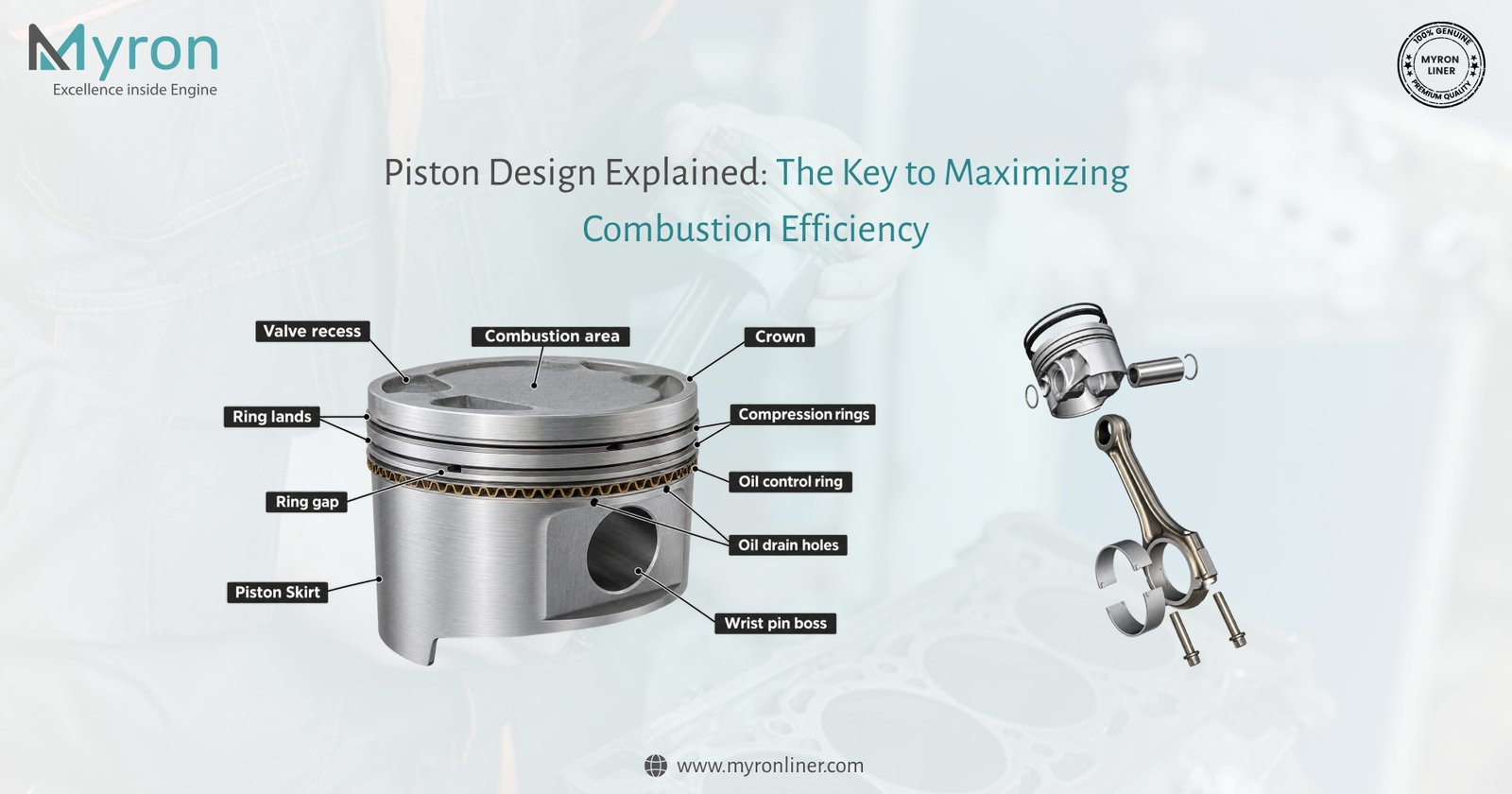
Piston Design Explained: The Key to Maximizing Combustion Efficiency
When it comes to internal combustion engines, every component plays a vital role in determining how effectively power is generated. Among these, the piston holds a place of unmatched importance. Often referred to as the heart of the engine, the piston converts the energy from combustion into mechanical force. But beyond just movement, piston design
directly influences combustion efficiency, fuel economy, emissions, and engine durability.
In this blog, we'll dive deep into the science of piston design, how it shapes engine performance, the role of piston materials, and why optimized pistons are essential in the aftermarket engine parts industry.
Understanding the Role of Pistons in Combustion
At the core of every internal combustion engine lies the process of converting chemical energy (from fuel) into mechanical energy (used to drive the crankshaft). The piston is the component that translates the explosive force of fuel combustion into linear motion. It moves up and down within the cylinder, creating the necessary compression and expansion for combustion to occur effectively.
But it's not just about going up and down - the way the piston is designed determines how efficiently this process happens. That's where piston design becomes the game-changer in achieving peak combustion efficiency.
In most internal combustion engines, the piston operates inside a cylindrical chamber and is connected to the crankshaft via a connecting rod. This design enables the piston to convert the explosive pressure of combustion into mechanical torque. Most modern pistons are crafted from aluminum alloys because of their light weight and excellent ability to conduct heat — two factors that significantly impact both performance and efficiency.
Read more: High-Performance Alloys for Aftermarket Pistons: A Complete Guide.
What Is Combustion Efficiency and Why Does It Matter?
Combustion efficiency refers to how well the engine converts fuel into usable energy. High combustion efficiency means more energy is derived from less fuel, reducing waste and emissions while increasing power output.
When combustion efficiency is poor, unburnt fuel, excessive heat, or incomplete combustion can lead to problems such as:
- Loss of engine power
- Increased fuel consumption
- Higher emissions
- Engine knock or pre-ignition
- Component wear and overheating
Therefore, optimizing every element that contributes to efficient combustion — especially the piston — is essential in engine design and aftermarket performance upgrades.
The Fundamentals of Good Piston Design
So, what exactly makes for an effective piston design? Let's look at the key elements:
1. Shape and Geometry
The piston crown (top surface) can be flat, concave, convex, or have intricate shapes such as bowls or ridges. This geometry influences how the air-fuel mixture swirls inside the combustion chamber. An optimal shape ensures better mixing, thorough combustion, and reduced heat loss to the cylinder walls.
For example:
- Bowl-in-piston designs are used in direct injection diesel engines to promote swirl and improve combustion quality.
- Dome or raised crowns can increase compression ratios in performance engines.
2. Piston Skirt and Ring Grooves
The skirt supports the piston inside the cylinder and reduces side-to-side movement. Skirts with anti-friction coatings or asymmetrical profiles minimize friction and wear. These design enhancements not only reduce frictional losses but also improve engine quietness and prevent piston slap, especially during cold starts or high-load conditions. Meanwhile, the ring grooves must be machined precisely to hold piston rings tightly, ensuring efficient sealing and oil control.
3. Weight and Balance
A lighter piston allows faster acceleration and reduces load on the crankshaft and bearings. However, lightweight pistons must still be strong enough to handle combustion pressure. Striking this balance is a key design goal, especially for aftermarket performance pistons.
How Piston Material Affects Combustion Efficiency
The choice of piston material is another critical factor influencing combustion performance and durability. The piston must endure extreme heat, pressure, and friction repeatedly — often thousands of times per minute.
Let's explore common materials used in aftermarket piston design:
1. Aluminum Alloys
Aluminum is lightweight and has excellent heat conductivity, helping dissipate the heat generated during combustion. It also allows the piston to expand and contract more predictably under thermal stress. Most modern pistons in aftermarket and performance engines use forged or cast aluminum alloys for durability and responsiveness.
2. Forged vs. Cast Pistons
- Cast pistons are economical and suitable for daily-use engines, but have limited strength under high-performance loads.
- Forged pistons are made by compressing the aluminum alloy into shape, offering better grain structure, higher strength, and resistance to cracks or fatigue — perfect for engines demanding high combustion efficiency.
3. Steel Pistons
Though heavier, steel pistons offer excellent strength and are increasingly used in commercial diesel engines. However, in the aftermarket space, aluminum forged pistons remain the top choice due to their balance of strength and weight.
Read More: Steel vs Aluminum: Which Piston Material Is Best for Your Engine?
Innovations in Piston Design for Better Combustion
Technological advancements continue to push the boundaries of what pistons can achieve. Here are some modern improvements being integrated into aftermarket piston design for superior combustion efficiency:
1. Thermal Barrier Coatings
These coatings on the piston crown reduce heat transfer into the piston, keeping combustion chamber temperatures higher. This promotes complete fuel burning and improves thermal efficiency.
2. Low-Friction Coatings
Applying special graphite or molybdenum coatings to the skirt reduces friction between the piston and cylinder wall, enhancing durability and reducing energy loss.
3. Oil Cooling Galleries
Some high-performance pistons incorporate internal cooling channels that allow oil to flow through and remove excess heat. This prevents hotspots and extends piston lifespan under extreme conditions.
These cooling channels, or oil galleries, are critical in engines subjected to heavy loads or high RPMs. They help the piston manage the intense thermal conditions created during combustion, minimizing the risk of overheating and ensuring long-term durability.
4. Laser Textured Surfaces
Laser etching can create micro-patterns on the piston surface to improve oil retention and reduce friction — a cutting-edge solution for next-gen performance engines.
Importance of Precision in Aftermarket Piston Manufacturing
In the aftermarket engine parts industry, especially for high-performance or heavy-duty applications, precision is non-negotiable. A well-designed piston must meet strict tolerances to ensure:
- Proper fit in the cylinder
- Efficient combustion chamber dynamics
- Reliable sealing through piston rings
- Compatibility with various cylinder liner materials
Piston-to-cylinder clearance, ring land width, crown thickness, and skirt tapering are just a few areas where micron-level precision is critical. Any variation can lead to power loss, poor combustion efficiency, or even engine failure.
This is why reputable aftermarket manufacturers focus heavily on engineering, testing, and using CNC-machined components.
Choosing the Right Piston for Your Engine Goals
Whether you're rebuilding a standard engine or upgrading for racing or heavy-duty applications, selecting the right piston design and material is essential. Ask these questions:
- Is the engine naturally aspirated or turbocharged?
- What's the target compression ratio?
- Is it for daily driving, heavy hauling, or track use?
- What fuel will be used - gasoline, diesel, or alternative fuels?
Each application demands a tailored approach to piston design and piston material selection to ensure long-term reliability and high combustion efficiency.
Final Thoughts
The piston may seem like a simple metal component, but in reality, it's a highly engineered piece of technology that determines how effectively your engine performs. The interplay between piston design, combustion efficiency, and piston material choices cannot be understated — especially in the aftermarket sector where performance, reliability, and customization matter most.
When designed and manufactured correctly, pistons can significantly boost power output, reduce emissions, improve fuel economy, and extend engine life. For those upgrading or repairing engines, investing in quality aftermarket pistons is not just smart — it's essential.
Myron Liners: Reliable Partners in High-Quality Engine Parts
At the heart of every efficient engine lies a synergy of well-designed components — and Myron Liners understands this better than anyone. As a trusted manufacturer and supplier of cylinder liners, Myron Liners is committed to producing top-grade engine parts that complement the latest advancements in piston design and combustion systems.
Their products are engineered for durability, precision, and performance — making them a preferred choice for businesses and professionals in the aftermarket engine parts industry.
Reference:
Piston engines and Internal combustion engines by Wikipedia[1].
FAQ
Q1: What is the function of the piston in a combustion engine?
The piston converts the energy from fuel combustion into mechanical motion, powering the crankshaft to drive the vehicle.
Q2: How to increase the efficiency of an internal combustion engine?
Improve combustion efficiency by optimizing piston design, using quality materials, maintaining proper compression, and ensuring clean fuel-air mixing.
Q3: What are the four different piston designs?
Standard piston designs include flat-top, dome, dished, and bowl-in-piston, each shaped to improve combustion dynamics based on engine type.
Q4: Why is piston material important in engine performance?
Piston material affects heat resistance, strength, and weight — all of which influence combustion efficiency, power output, and engine durability.
Q5: What causes piston failure in engines?
Common causes include overheating, poor lubrication, detonation, incorrect clearances, and using low-quality or mismatched aftermarket components.
Q6: Are forged pistons better than cast pistons?
Yes, forged pistons are stronger and more durable than cast pistons, making them ideal for high-performance or heavy-duty aftermarket engine builds.
Reference & Trademark Disclaimer
All manufacturer names, trademarks, logos, product names, part numbers, model numbers, descriptions, and other identifying references mentioned in this article are used for identification, reference, and cross-reference purposes only.
Such references do not imply any affiliation, association, authorization, sponsorship, approval, or endorsement by the respective manufacturers or trademark owners. All trademarks, brand names, product names, part numbers, and related intellectual property remain the property of their respective owners.
MYRON LINER LLP is an independent manufacturer and supplier of engine components. The use of any third-party name or reference is solely intended to help readers identify the applicable engine, component, or application.