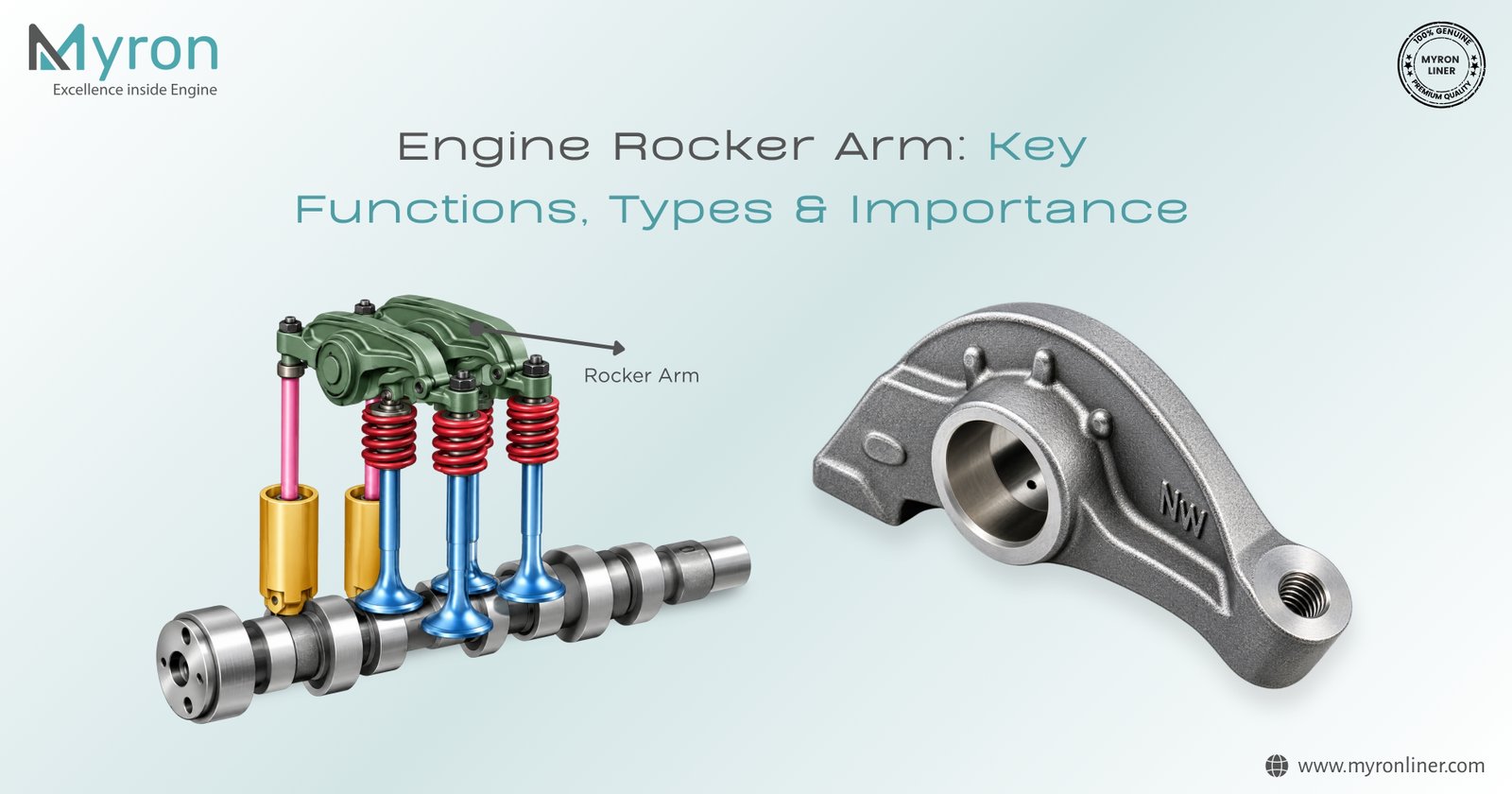
Engine Rocker Arm: Key Functions, Types & Importance
In the complex and powerful world of internal combustion engines, many components work together in harmony to ensure optimal performance. One such crucial but often overlooked part is the engine rocker arm. Though relatively small in size, the rocker arm plays a pivotal role in the efficient operation of your engine’s valve system. Whether you’re a mechanic, auto enthusiast, or someone dealing in aftermarket engine parts, understanding the rocker arm’s function, its various types, and its impact on engine performance is essential.
In this blog, we’ll take a deep dive into what an engine rocker arm is, explore the rocker arm function in detail, discuss the different types available, and highlight its significance in modern and older engines alike.
What is an Engine Rocker Arm?
The engine rocker arm is a critical mechanical component located in the cylinder head of an internal combustion engine. It acts as a lever that translates the upward motion of the camshaft into downward movement on the engine valves. In essence, the rocker arm acts as a bridge between the camshaft and the intake and exhaust valves.
Without the rocker arm, the engine would fail to perform its basic breathing operations—drawing in air-fuel mixture and expelling exhaust gases.
Key Rocker Arm Function in an Engine
Understanding the rocker arm function is essential for grasping how an engine manages airflow and combustion cycles.
1. Valve Operation Control
The primary function of the rocker arm is to control the opening and closing of engine valves. When the camshaft rotates, it pushes on a lifter, which in turn pushes the rocker arm. The rocker arm then pushes down on the valve stem to open the valve. When the cam lobe rotates away, the spring closes the valve, and the rocker arm returns to its resting position.
Read More: How Engine Valves Work: Function, Types & Importance Explained
2. Transfer of Motion
The rocker arm serves as a motion transfer device. It takes the linear motion from the camshaft and redirects it to the valves. Depending on the engine design, it may convert upward motion into downward force or vice versa.
3. Valve Timing Precision
The accuracy of valve timing is essential for efficient combustion and engine performance. A well-designed and correctly installed rocker arm ensures precise valve movement, preventing timing errors that can lead to poor fuel efficiency or engine damage.
4. Load Distribution
Rocker arms help distribute mechanical loads across the valve train. This distribution minimizes wear and tear on other engine components, thereby enhancing the overall longevity of the engine.
Types of Engine Rocker Arms
Rocker arms come in several types and configurations, each suited for different engine designs, performance goals, and cost considerations. In the aftermarket industry, choosing the right type can significantly improve performance, reliability, and durability.
1. Stamped Steel Rocker Arms
These are the most common and cost-effective rocker arms found in many standard engines. Made from a single piece of stamped steel, they are lightweight and relatively durable for stock applications. However, they are not always ideal for high-performance or high-RPM engines due to flexing under pressure.
Best For: Budget builds, stock or mildly modified engines.
2. Roller Rocker Arms
Roller rocker arms are designed with needle bearings or rollers at the contact points. These reduce friction and wear compared to standard rocker arms, making them ideal for high-performance or racing engines.
Advantages:
- Reduced friction
- Improved valve timing accuracy
- Enhanced durability at high RPMs
Best For: Performance engines, drag racing, and modified vehicles.
3. Full Roller Rockers
These not only have a roller tip but also a roller fulcrum, offering maximum friction reduction and improved valve operation. These are typically made from forged aluminum or steel and are ideal for heavy-duty or race applications.
Best For: High horsepower builds, racing engines.
4. Shaft-Mounted Rocker Arms
Unlike the conventional pedestal or stud-mounted rockers, shaft-mounted rocker arms provide greater stability. They are often used in engines that require precise geometry and stiffness, such as performance V8s.
Best For: Engines with high valve lift and aggressive camshafts.
5. Adjustable Rocker Arms
Adjustable rockers allow for fine-tuning of valve lash and timing. This is especially beneficial in aftermarket and custom-built engines where perfect alignment and performance tuning are critical.
Best For: Custom builds, racing applications, performance tuning.
Common Symptoms of a Faulty Rocker Arm
Because of their vital role, malfunctioning rocker arms can lead to noticeable engine issues. Some common symptoms include:
- Ticking or clattering noise from the engine
- Misfiring or rough idling
- Decrease in engine power or efficiency
- Check Engine Light (CEL) activation
- Improper valve movement leading to performance issues
Early detection and replacement of a failing rocker arm can prevent costly engine damage and restore performance.
Importance of Rocker Arms in Engine Performance
Though often overshadowed by high-profile components like pistons or camshafts, rocker arms are fundamental to your engine’s health and output. Their importance lies in:
A. Efficient Combustion Cycles
Properly functioning rocker arms ensure that valves open and close at the exact required times. This optimizes combustion, leading to better fuel efficiency, smoother operation, and reduced emissions.
B. Power Delivery
Especially in performance engines, the choice of rocker arm can influence horsepower and torque. High-ratio or lightweight rocker arms allow for more aggressive valve lift profiles, unlocking more power from the engine.
C. Engine Longevity
Using quality rocker arms reduces wear on other engine components such as valve guides, springs, and lifters. This not only extends the life of the engine but also reduces maintenance frequency and costs.
D. Customization and Tuning
In the aftermarket space, rocker arms offer a way to fine-tune your engine’s characteristics. Adjustable rocker arms or those with higher lift ratios allow builders to modify cam profiles without changing the camshaft itself.
Choosing the Right Rocker Arm for Your Build
When selecting an engine rocker arm for your build, consider the following:
- Engine Type: Different engines require different mounting styles and materials.
- Performance Goals: Choose between stamped, roller, or shaft-mounted based on intended power output.
- Material: Forged aluminum for lightness or chromoly steel for durability.
- Valve Lift: Ensure compatibility with camshaft specs and valve spring clearances.
- Budget: While premium rocker arms offer better performance, they may not be necessary for all applications.
Working with an aftermarket supplier that understands your specific needs ensures you get the most suitable rocker arm for your engine.
Final Thoughts
The engine rocker arm may not be the most glamorous part under your hood, but its role is fundamental to the performance, reliability, and longevity of your engine. From controlling valve movement to enhancing combustion and efficiency, rocker arms carry a lot of responsibility for such a small component.
Whether you’re maintaining a stock vehicle or building a high-performance machine, investing in the right rocker arm can make a significant difference.
Trusted Source for Engine Components: Myron Liners
When it comes to reliable engine components, Myron Liners stands out as a trusted manufacturer and supplier of aftermarket cylinder liners. Known for their quality craftsmanship and precision engineering, Myron Liners is committed to delivering components that meet the demands of modern internal combustion engines.
Suppose you're upgrading your engine or need dependable parts for your next rebuild. In that case, Myron Liners offers a robust selection of aftermarket engine parts designed for durability and performance — all without relying on OEM limitations.
Reference:
Rocker arm by Wikipedia[1].
FAQ
What is a rocker arm in an engine?
A rocker arm is a lever in the engine's valvetrain that transfers motion from the camshaft to the intake and exhaust valves. It helps control valve timing and ensures proper airflow in the combustion cycle.
What happens when a rocker arm goes bad?
When a rocker arm fails, it can cause valve misfiring, ticking noises, and a drop in engine performance. In severe cases, it may lead to engine damage if not addressed promptly.
Is a rocker arm expensive to fix?
Fixing a rocker arm can range from affordable to moderately expensive depending on the engine type and labor costs. Aftermarket rocker arms often provide a cost-effective solution.
What are the most common causes of rocker arm failure?
Rocker arm damage typically results from wear and tear, poor lubrication due to contaminated or old oil, and improper valve clearance or adjustment. Excessive RPMs and engine overheating can also stress the rocker arm material and lead to fracture or misalignment.
How long do rocker arms last before needing replacement?
With proper maintenance—including regular oil changes and valve inspections—rocker arms can last tens of thousands of miles, often for the lifetime of a stock engine.
Reference & Trademark Disclaimer
All manufacturer names, trademarks, logos, product names, part numbers, model numbers, descriptions, and other identifying references mentioned in this article are used for identification, reference, and cross-reference purposes only.
Such references do not imply any affiliation, association, authorization, sponsorship, approval, or endorsement by the respective manufacturers or trademark owners. All trademarks, brand names, product names, part numbers, and related intellectual property remain the property of their respective owners.
MYRON LINER LLP is an independent manufacturer and supplier of engine components. The use of any third-party name or reference is solely intended to help readers identify the applicable engine, component, or application.