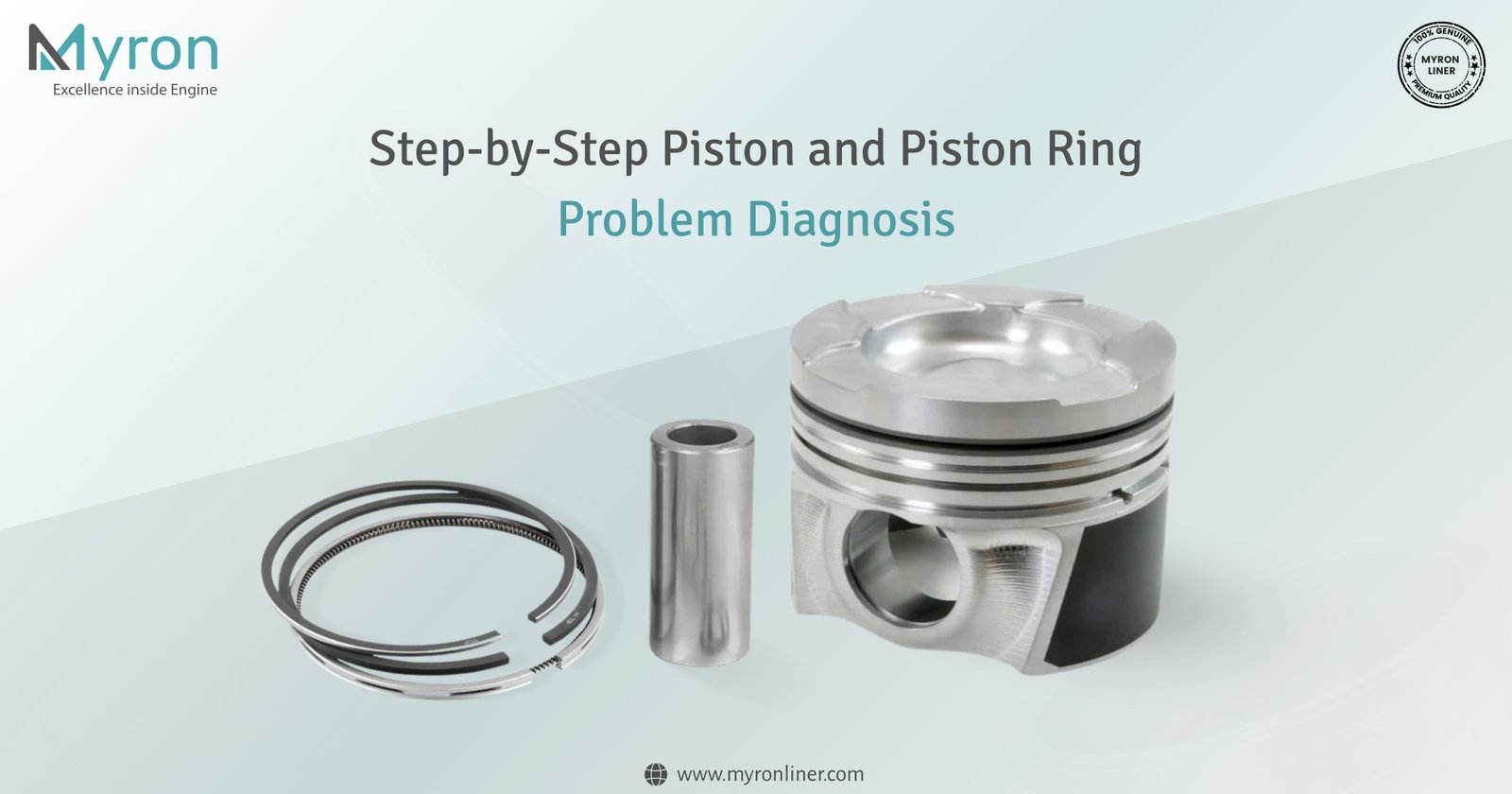
Step-by-Step Piston and Piston Ring Problem Diagnosis
The heart of any engine lies in its pistons and piston rings, which are essential for maintaining compression, controlling oil flow, and ensuring smooth operation. These components work tirelessly under extreme temperatures and pressures inside the combustion chamber, making them prone to wear over time. When pistons or rings fail, it can result in serious engine problems such as excessive engine smoke, poor fuel efficiency, high oil consumption, and noticeable drops in engine performance. This comprehensive guide provides a step-by-step process for diagnosing piston and piston ring issues, along with preventive tips and solutions.
Understanding Pistons and Piston Rings
Pistons are cylindrical components that move up and down within the engine’s cylinders. During the compression stroke, the piston compresses the charge inside the cylinder. Combustion then increases cylinder pressure and drives the piston downward to produce engine power. Surrounding each piston are piston rings, which perform three critical functions:
- Sealing the combustion chamber – The top compression ring prevents combustion gases from escaping, ensuring efficient power generation.
- Controlling oil flow – The oil control ring regulates the amount of oil on the cylinder walls, preventing excessive oil consumption.
- Heat transfer – Piston rings provide a heat-transfer path from the piston to the cylinder wall, helping control piston temperature during engine operation.
Over time, these rings can lose their ability to maintain a tight seal due to wear, damage, or carbon buildup. This results in lower compression and a loss of efficiency. Understanding the role of these components is key before diagnosing issues.
Read: Understanding How Engine Piston Rings Work
Common Symptoms of Piston and Ring Problems
1. Engine Smoke
One of the earliest indicators of piston or ring trouble is abnormal engine smoke:
- Blue Smoke: This is a strong sign that engine oil is burning due to worn piston rings, allowing oil to leak into the combustion chamber.
- White Smoke: Persistent white exhaust smoke is commonly associated with coolant entering the combustion chamber in liquid-cooled engines. It is not, by itself, a reliable indicator of a cracked piston.
- Black Smoke: Black exhaust smoke generally indicates excessive fuel relative to the available air, resulting in incomplete combustion. Piston-ring wear is not normally the primary cause.
Persistent smoke should never be ignored, as it can damage catalytic converters and increase emissions.
2. Poor Engine Performance
When piston rings fail, the engine’s ability to hold compression drops significantly. As a result, you may notice sluggish acceleration, difficulty climbing hills, or a general lack of power. In severe cases, the engine may fail to start due to insufficient compression.
3. High Oil Consumption
Worn piston rings allow engine oil to bypass into the combustion chamber, where it burns during combustion. This results in the need to frequently top up engine oil.
4. Engine Knocking or Tapping
Piston slap or knocking noises may occur when pistons have too much clearance due to wear or damage.
5. Misfires and Overheating
Loss of compression can cause incomplete combustion, leading to misfires. Escaping hot gases can also cause the engine to overheat.
Step-by-Step Diagnosis
Step 1: Visual and Smoke Inspection
Begin your diagnosis by observing the exhaust. Blue smoke on acceleration or deceleration is a strong sign of oil burning. Remove the spark plugs to inspect for oil deposits or excessive carbon buildup, which often accompany piston ring failure. Any signs of oil-fouled spark plugs should prompt further investigation.
Step 2: Compression Testing
A compression test measures cylinder pressure and can help identify sealing problems involving the piston rings, valves, head gasket, or other engine components. Consistent compression across all cylinders indicates a well-sealed combustion process.
- Remove all spark plugs.
- Insert a compression gauge into each cylinder.
- Crank the engine several times and record the reading.
A healthy engine generally shows compression readings that are reasonably consistent between cylinders and within the manufacturer's specified range. A low reading on one or more cylinders can indicate worn rings or damaged pistons. Differences of more than 10–15% between cylinders suggest a potential issue.
Step 3: Wet Compression Test
Add a small amount of engine oil to the cylinder and repeat the compression test. If the reading improves significantly, the oil has temporarily sealed the worn piston rings, confirming ring issues. This method helps differentiate between ring and valve problems, making it an essential follow-up test.
Step 4: Cylinder Leak-Down Test
A leak-down test is more precise, allowing you to pinpoint where pressure loss is occurring:
- Pressurize each cylinder with compressed air.
- Listen for air escaping through the oil filler, which suggests ring or piston damage.
- Air escaping from the exhaust or intake indicates valve leaks.
This test is particularly useful when compression readings are inconsistent or borderline.
Step 5: Borescope Inspection
A borescope camera lets you visually inspect the combustion chamber and cylinder walls for scoring, cracks, or excessive carbon buildup. This inspection provides direct evidence of piston crown damage, valve seat wear, or ring scuffing, giving you a clear view of the cylinder’s internal condition without disassembly.
Step 6: Oil and Filter Check
Inspect engine oil for metallic particles, which signal internal wear of pistons or rings. Thick sludge or unusual oil color can also indicate ongoing issues. Replacing the oil filter and cutting it open to inspect for metal shavings can also reveal early signs of piston or ring damage.
Common Causes of Piston and Ring Damage
Lack of Lubrication: Using low-quality or insufficient oil accelerates wear.
2. Contamination: Dirt, dust, or debris entering through faulty air filters scratches cylinder walls.
3. Overheating: Continuous high temperatures reduce ring tension and damage pistons.
4. Detonation and Pre-Ignition: These abnormal combustion events stress pistons and rings.
Improper Maintenance: Skipping oil changes leads to sludge buildup that damages components.
Preventing Piston and Piston Ring Failures
- Regular Oil Changes: Use the recommended grade and change oil at proper intervals. Clean oil reduces friction and prevents sludge buildup, which can damage piston rings and the cylinder walls over time. Neglecting oil changes can lead to rapid wear and reduced engine performance.
- Clean Air Filtration: Replace air filters to prevent debris from damaging the cylinders. A clogged or dirty air filter allows dust and grit to enter the combustion chamber, causing scratches and accelerating wear on piston rings. Regular inspections of the air intake system help maintain a healthy engine environment.
- Maintain the Cooling System: Prevent overheating by ensuring the radiator and coolant system are in good condition. Overheating can lead to piston warping, loss of ring tension, and even cracking. Check coolant levels and inspect hoses, water pumps, and thermostats to avoid high-temperature engine stress.
- Drive Smoothly: Avoid sudden heavy loads or aggressive driving when the engine is cold. Allowing the engine to warm up gradually helps the oil circulate properly, providing effective lubrication. Consistent smooth driving also minimizes unnecessary stress on the pistons and piston rings, extending their lifespan.
Repairing or Replacing Pistons and Rings
If diagnostics confirm damage, you have two options:
- Re-Ringing: If the cylinder walls are within tolerance, replacing the piston rings can restore compression.
- Full Replacement: Severe scoring or cracks often require replacing pistons and installing a new cylinder liner.
Repair Steps:
- Remove the cylinder head and inspect the pistons.
- Measure wear patterns and ring end gaps.
- Hone or re-bore cylinders if necessary.
- Install new rings and reassemble the engine.
Advanced Diagnostic Techniques
- Vacuum Testing: A vacuum gauge can detect issues with engine sealing.
- Oil Consumption Tests: Monitoring oil levels over set intervals can help confirm ring failure.
- Exhaust Analysis: Hydrocarbon levels in the exhaust can indicate incomplete combustion due to poor ring sealing.
About Myron Liners
For high-quality aftermarket components, Myron Liners is a trusted manufacturer and supplier of cylinder liners that ensure long-lasting durability and optimal engine performance. Whether you're re-building or upgrading your engine, Myron Liners provides reliable solutions to meet your needs. Learn more at cylinder liner: https://www.myronliner.com/.
Final Thoughts
Accurate diagnosis of piston and piston ring issues requires a systematic approach: observing engine smoke, performing compression and leak-down tests, and checking the combustion chamber. By catching these issues early and choosing high-quality aftermarket parts, you can restore your engine’s performance, extend its life, and prevent costly breakdowns.
FAQ
1. What are the symptoms of piston failure?
Symptoms of piston failure include knocking or tapping noises from the engine, excessive smoke from the exhaust, poor acceleration, high oil consumption, and low compression in one or more cylinders. In severe cases, the engine may misfire or fail to start due to insufficient compression.
2. How to avoid piston ring failure?
You can avoid piston ring failure by maintaining proper oil levels, performing regular oil changes using high-quality lubricants, and keeping air filters clean to prevent dust and debris from entering the engine. Avoiding overheating, using the correct fuel, and driving smoothly (especially during engine warm-up) also helps prolong the life of piston rings.
3. What is the lifespan of piston rings?
With proper maintenance, piston rings typically last between 100,000 and 150,000 miles (160,000–240,000 km). However, poor maintenance, frequent overheating, or using low-quality oil can shorten their lifespan significantly, requiring earlier replacement.
4. How much does it cost to replace piston rings?
The cost to replace piston rings can vary widely depending on the vehicle model and labor charges. On average, it can range from $1,000 to $3,500 because the process involves significant engine disassembly.
5. What is the main purpose of piston rings?
The main purpose of piston rings is to seal the gap between the piston and the cylinder wall, ensuring proper compression within the combustion chamber. They prevent combustion gases from escaping into the crankcase while controlling the amount of engine oil that lubricates the cylinder walls.
Reference & Trademark Disclaimer
All manufacturer names, trademarks, logos, product names, part numbers, model numbers, descriptions, and other identifying references mentioned in this article are used for identification, reference, and cross-reference purposes only.
Such references do not imply any affiliation, association, authorization, sponsorship, approval, or endorsement by the respective manufacturers or trademark owners. All trademarks, brand names, product names, part numbers, and related intellectual property remain the property of their respective owners.
MYRON LINER LLP is an independent manufacturer and supplier of engine components. The use of any third-party name or reference is solely intended to help readers identify the applicable engine, component, or application.