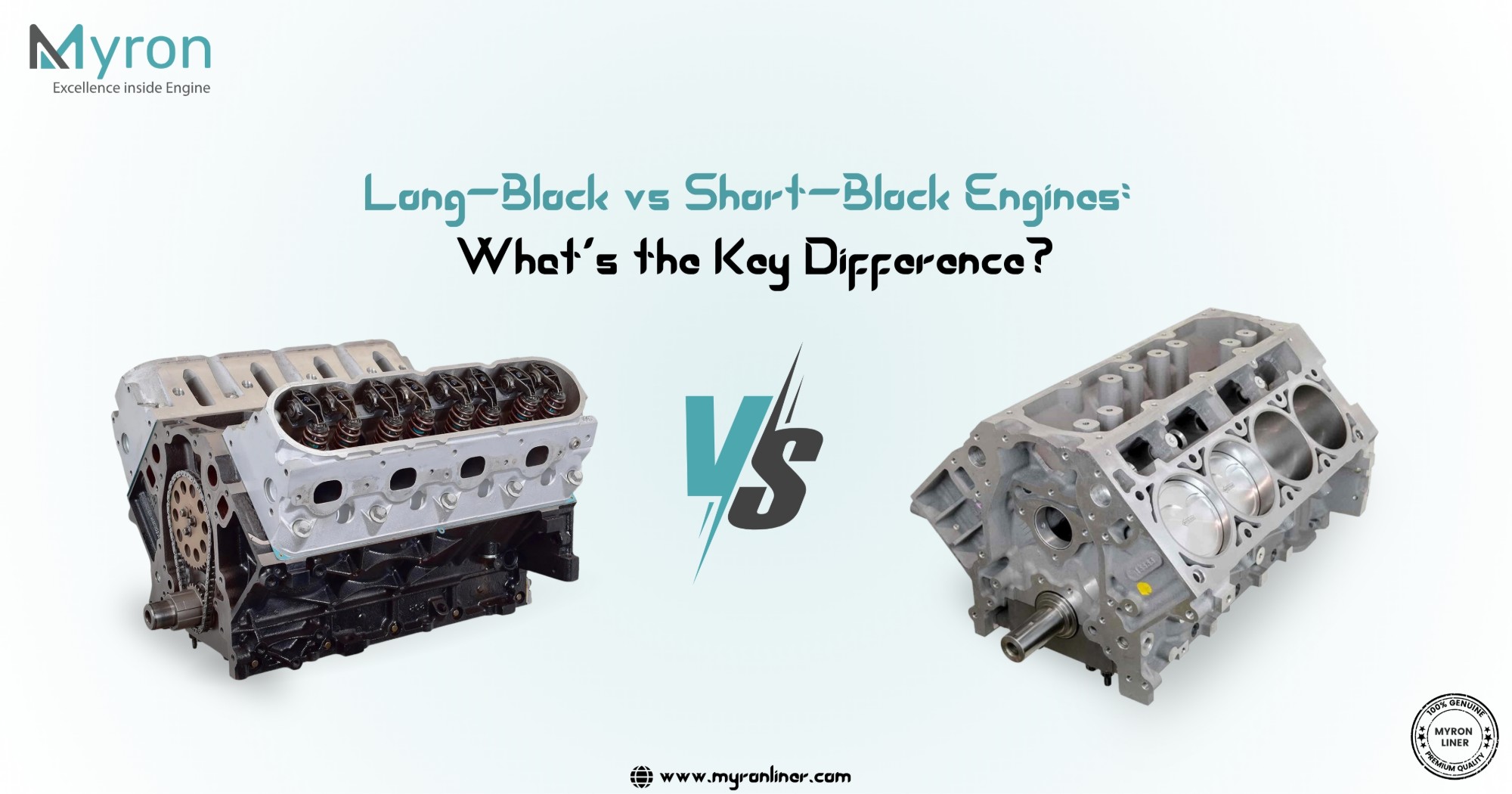
Long-Block vs Short-Block Engines: What's the Key Difference?
When understanding engine components, you might come across two terms: long-block and short-block engines. Whether you're a car enthusiast, mechanic, or looking into engine rebuilds, knowing the difference between these engine assemblies is essential. This article will examine the key differences, their functions, and why they matter. Additionally, we'll explore cylinder blocks' role in long-block and short-block engines.
What is a Long-Block Engine?
A long-block engine is a complete assembly, excluding accessories and exterior components such as the alternator, air conditioning compressor, and other peripheral components. It typically includes the cylinder block, cylinder head, pistons, crankshaft, camshaft, and timing gear. These engines are almost complete and ready for installation, with only a few external components needed to make them operational.
The term "long-block" refers to the fact that this engine is fully assembled, excluding the external components. These engines are beneficial in cases where the original engine is damaged beyond repair, but the accessories and peripherals are still in working condition. A long-block engine is a reliable solution to restore a vehicle's performance without replacing everything.
What is a Short Block Engine?
On the other hand, a short-block engine is a more basic assembly than a long-block engine. The short block consists primarily of the cylinder block, pistons, crankshaft, and connecting rods. It does not include the cylinder head, timing gear, or valve train components. A short block engine is an elementary block with key internal components but no additional accessories or higher engine components, such as the camshaft and cylinder heads.
Short-block engines are often used in situations where the upper components of the engine (such as the cylinder head or valve train) are still in good condition, and only the lower block needs replacement or rebuilding. A short block provides a cost-effective solution for situations where the existing engine parts are largely intact but internal components, such as the pistons or crankshaft, need a refresh.
Key Differences Between Long-Block and Short-Block Engines
Now that we've covered the basic definitions, let's dive into the key differences between long-block vs. short-block engines.
1. Content and Assembly
- Long Block: The long-block engine is almost complete, consisting of the cylinder block, cylinder head, pistons, crankshaft, camshaft, and timing gear. It's designed to be ready for installation with minimal additional parts needed.
- Short Block: The short-block engine consists only of essential engine components, including the cylinder block, pistons, crankshaft, and connecting rods. It does not include the cylinder head, camshaft, or timing gear.
2. Complexity and Cost
- Long Block: Because the long block is a more complete assembly, it tends to be more expensive than a short-block engine. Including the cylinder head and timing, components make it a more sophisticated option, often requiring less labour during installation as fewer parts need to be added.
- Short Block: Short blocks are generally more affordable than long blocks since they lack the cylinder head and other components. The reduced complexity means they require more work to complete, as you'll need to transfer the valve train, timing gear, and other parts from the old engine or purchase new ones.
3. Application and Use
- Long Block: Ideal for situations where the entire engine needs to be replaced or rebuilt. It's beneficial when the engine's cylinder head or upper components are damaged or beyond repair.
- Short Block: Best for scenarios where the upper components (like the cylinder head, valves, and camshaft) are still functional and in good condition. A short block is a good option when only the internal components, such as the pistons or crankshaft, need replacing.
4. Rebuilding vs. Replacement
- Long Block: When rebuilding an engine, a long block provides a fresh start for most internal components. Replacing a long block is common in severe engine damage or when the original parts have suffered excessive wear and tear.
- Short Block: A short-block rebuild typically involves replacing or reconditioning the internal components (like pistons and crankshaft), but the upper engine parts are usually reused. It's often chosen when the lower engine components are in bad shape, but the cylinder head and valve train are still good.
5. Performance and Durability
- Long Block: A long-block engine can offer better performance and reliability because it comes with a new or reconditioned cylinder head and internal components. This can result in better combustion, more efficient fuel delivery, and a smoother-running engine.
- Short Block: While a short-block engine may be less expensive, it can still provide reliable performance if the upper engine parts are in good shape. However, the lack of a new cylinder head and timing components may affect overall engine performance compared to a long-block engine.
Role of Cylinder Blocks in Engine Assemblies
A long-block engine differs from a short-block engine mainly by complexity and completeness. It houses the pistons, crankshaft, and connecting rods, all essential engine components that enable the engine to function. The cylinder block's job is to contain the combustion process, absorb the heat generated by fuel burning, and house all the moving parts that work together to power the vehicle.
A long-block cylinder block is paired with the cylinder head, which houses the camshaft, valves, and other parts that control fuel and airflow through the engine. In a short block, the cylinder block is the focal point of the assembly.
The cylinder block's quality and durability can considerably impact the performance of both long and short-block engines. Cylinder blocks made from high-strength materials like cast iron or aluminium alloys offer better heat resistance, improve engine longevity, and contribute to overall engine efficiency.
Which Engine Should You Choose?
When deciding between a long-block and short-block engine, several factors should be considered:
- Engine Condition: A long-block engine might be the best solution if your vehicle's engine has damaged both upper and lower engine components. On the other hand, if the upper components (like the cylinder head and valves) are still in good shape, a short-block engine can be a cost-effective solution.
- Cost: A short block would be better if money is tight. However, remember that you'll need to purchase and install additional components like the cylinder head and timing gear.
- Performance Goals: A long-block engine might be the best choice if you're looking for an engine that delivers reliable performance with minimal downtime. A long-block engine provides a more complete solution and will likely require less work during installation.
- Repair or Replacement: If you plan to rebuild an engine, a short block can be an ideal starting point, especially if only the lower engine components are damaged. But if the engine has significant wear on both the upper and lower components, replacing it with a long-block engine may be a more efficient solution.
Conclusion
The primary difference between a long-block and a short-block engine is their level of completeness and complexity. While a long block provides a complete engine assembly, a short block focuses on the internal components, allowing for more flexibility and cost savings if the upper engine parts are still functional.
When choosing between the two, consider your engine's condition, budget, and performance needs. Both options have merits and applications, depending on the repairs needed or whether you want to rebuild an engine. For anyone considering replacing or rebuilding an engine, consulting with professional mechanics and engine part suppliers will help select the right components for your engine type. The quality of your cylinder blocks, pistons, and crankshaft is vital to achieving maximum engine performance.
Don't miss to check: Complete Guide to Cylinder Blocks: Parts, Types, and Key Functions.
Reference:
Engine block by Wikipedia[1].
FAQ
1. What is a short-block engine?
A short block engine comprises the engine block, pistons, crankshaft, and connecting rods. It doesn't include the cylinder heads, valves, or camshaft. It's a more basic form of the engine, typically used when replacing only the core components or rebuilding an engine.
2. What is the key difference between long-block and short-block engines?
The main difference is the level of completion. A long block is nearly a complete engine, excluding some external components, while a short block includes just the engine block and internal rotating components.
3. When should I choose a long-block engine over a short-block?
A long-block engine is ideal when you need a complete replacement or rebuild of your engine, as it includes all the internal components. It's useful when your engine's cylinder heads, valves, and camshaft must be replaced along with the block.
4. Can I use a short-block engine in place of a long-block?
It depends on your vehicle's needs. If your engine requires more than just internal components to be replaced, like the cylinder heads, you will need a long block. A short-block engine may be sufficient if only the internal components are damaged.
5. What are cylinder blocks, and how do they relate to long-block and short-block engines?
Cylinder blocks are the foundation of both long-block and short-block engines. They contain the pistons, crankshaft, and other crucial internal engine components. The term "cylinder block" is often used to describe the basic structure of both engine types, with the short block containing the core components and the long block including additional parts like the cylinder heads.
Reference & Trademark Disclaimer
All manufacturer names, trademarks, logos, product names, part numbers, model numbers, descriptions, and other identifying references mentioned in this article are used for identification, reference, and cross-reference purposes only.
Such references do not imply any affiliation, association, authorization, sponsorship, approval, or endorsement by the respective manufacturers or trademark owners. All trademarks, brand names, product names, part numbers, and related intellectual property remain the property of their respective owners.
MYRON LINER LLP is an independent manufacturer and supplier of engine components. The use of any third-party name or reference is solely intended to help readers identify the applicable engine, component, or application.