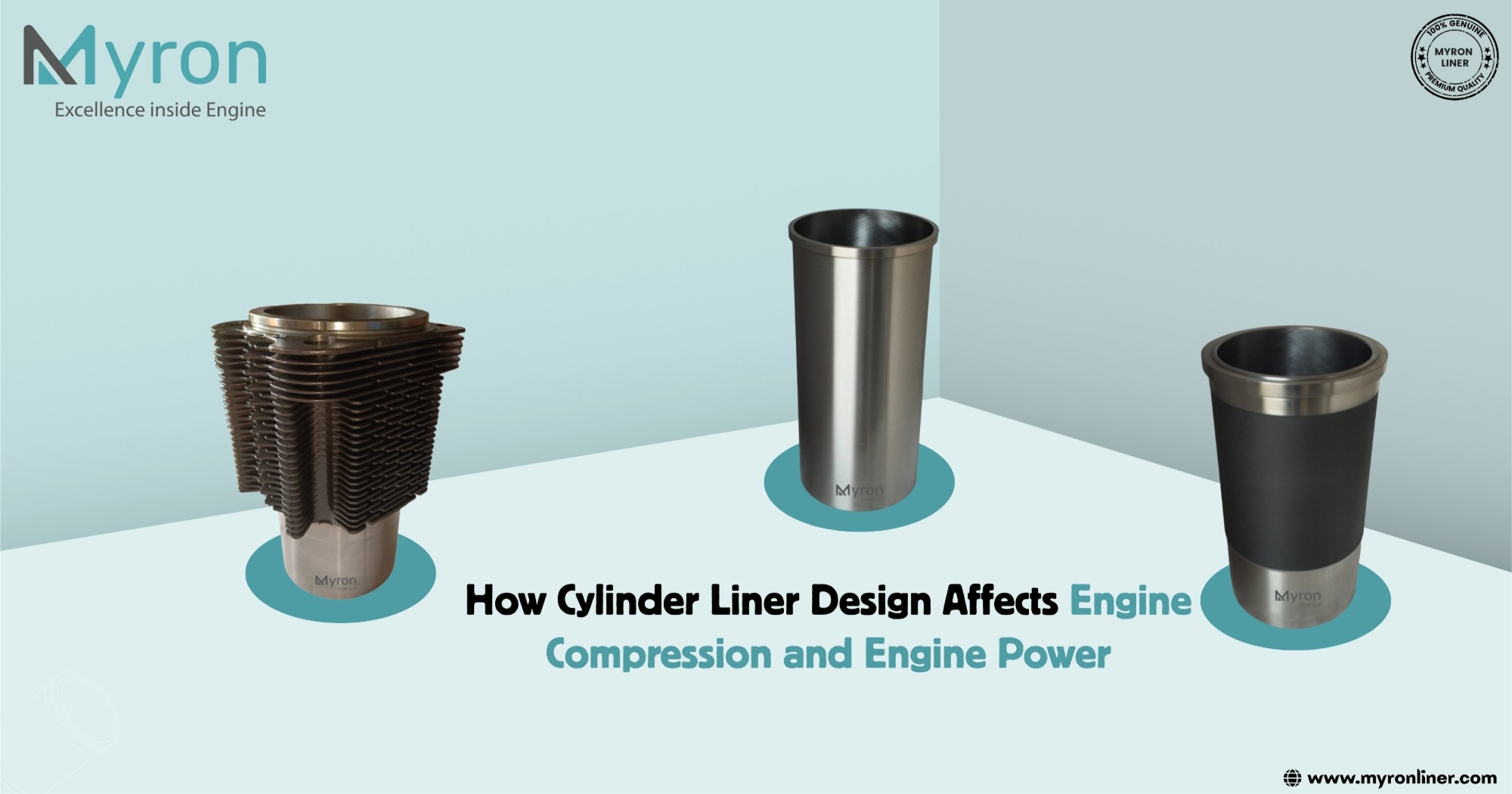
How Cylinder Liner Design Affects Engine Compression and Engine Power
The internal combustion engine is a complex system where each component is vital to its overall performance and efficiency. One such key component is the cylinder liner, a sleeve inserted into the cylinder of an engine block. While it is simple, its design significantly impacts engine compression, power output, and overall performance. In this comprehensive blog, we'll explore how the design of cylinder liners—including dry liners and wet liners—affects engine operation, what makes an ideal engine liner, and why it's crucial for achieving optimal engine power and efficiency.
What is a Cylinder Liner?
A cylinder liner, also known as an engine liner or cylinder sleeve, forms the inner wall of the engine's cylinder. It provides a sliding surface for the piston and its rings, containing the combustion pressure and reducing wear on the engine block. This essential part ensures smooth piston movement, contributes to heat dissipation, and directly maintains engine compression.
Cylinder liners come in two primary types: dry liners and wet liners. Each type differs in design, installation, and impact on engine dynamics.
Types of Cylinder Liners and Their Role in Compression
1. Dry Liners
Dry liners are pressed into the cylinder bore and are in direct contact with the engine block. They do not interact with the engine's coolant directly. These liners are typically thinner, lighter, and simpler to manufacture.
Impact on Compression:
- Dry liners must fit precisely in the cylinder bore to maintain a tight seal. Any misalignment or gaps can lead to reduced engine compression.
- As the metal of the engine block surrounds them, their rigidity helps retain the shape bore during combustion, contributing to consistent power output.
- However, because they are not directly cooled, they may expand more under high temperatures, which can slightly affect compression consistency if not designed accurately.
2. Wet Liners
Wet liners, on the other hand, are in direct contact with the engine coolant. They are sealed with O-rings or gaskets to prevent leakage and are commonly found in heavy-duty engines.
Impact on Compression:
- The better cooling capacity of wet liners ensures consistent operating temperatures, which helps maintain a stable cylinder shape and volume. This consistency aids in maintaining high engine compression.
- Wet liners can be manufactured with more robust material thickness, enhancing durability under high-pressure conditions and contributing to long-term engine performance.
How Cylinder Liner Design Affects Engine Compression
Compression ratio is defined as the ratio of the total volume of the cylinder when the piston is at the bottom dead center to the volume when the piston is at the top dead center. Any component affecting this volume directly influences the engine compression.
Key Factors in Liner Design That Influence Compression:
Liner Thickness:
Thicker liners can slightly alter the cylinder's internal diameter, affecting the volume and the compression ratio. The added material can also influence heat distribution and thermal expansion characteristics, crucial in maintaining combustion chamber geometry. Designers must strike a balance to ensure strength without sacrificing engine compression or increasing internal friction. Moreover, excessive liner thickness may lead to unnecessary weight and space issues within compact engine architectures.
Read More: How Cylinder Liner Thickness Impacts Engine Efficiency
Material Composition:
Advanced alloys or composite materials can better resist deformation, keeping compression stable across varying temperatures. Commonly used materials like cast iron with alloying elements such as nickel, chromium, or molybdenum help improve durability and thermal stability. These materials maintain dimensional accuracy even under high-pressure conditions, ensuring consistent piston-to-liner sealing. Additionally, high-strength materials contribute to a longer service life and better performance in high-load applications.
Surface Finish:
A finely honed liner surface reduces friction, allowing tight piston ring seals and improving compression. Smooth surfaces minimize blow-by gases escaping past the rings, which would otherwise lower compression and reduce engine efficiency. Surface texture also affects lubrication retention, helping to maintain a micro oil film that protects the liner and piston. Modern honing techniques like plateau honing have improved ring bedding and enhanced the initial compression performance of new engines.
Thermal Conductivity:
Liners with better heat dissipation properties ensure uniform thermal expansion, preserving optimal cylinder dimensions. When temperatures are controlled effectively, the liner maintains its structural integrity and prevents hot spots that could distort the cylinder. This stability is crucial for engines operating under high loads or in extreme environments. Materials with high thermal conductivity, such as certain aluminum alloys, are often used to manage heat more effectively in performance applications.
Cylinder liner design directly influences how tightly the air-fuel mixture is compressed before ignition. Better compression leads to more forceful combustion, improving engine power and efficiency.
The Relationship Between Cylinder Liners and Engine Power Output
Engine power depends on the ability of the engine to burn fuel efficiently and convert combustion pressure into mechanical energy. Cylinder liners play a pivotal role in this process by providing the structure that contains combustion.
Here's how cylinder liner design supports engine power:
- Sealing Integrity: A well-designed liner ensures perfect piston ring contact, minimizing gas leakage during compression and combustion.
- Friction Reduction: Engine liners with smoother surfaces reduce resistance, allowing better piston speed and improving power output.
- Heat Transfer: Efficient liners dissipate heat from the combustion chamber, preventing knocking and allowing for more aggressive tuning.
- Longevity: Strong and wear-resistant liners maintain their shape and surface over time, delivering consistent engine performance.
Engine Efficiency and Cylinder Liners
Engine efficiency measures how well the engine converts fuel into useful power. Cylinder liners influence this metric in multiple ways:
- Fuel Combustion: Optimal compression leads to better combustion and less wasted fuel.
- Mechanical Efficiency: Less friction and wear result in smoother engine operation with lower energy losses.
- Maintenance Needs: Durable liners reduce the frequency of overhauls, helping engines run efficiently over more extended periods.
Whether it's a two-wheeler with a lightweight dry liner or a heavy-duty truck with robust wet liners, the engine liner is essential in ensuring that every drop of fuel is used effectively.
Choosing the Right Cylinder Liner Design
When selecting or designing a cylinder liner, consider the following factors:
- Application Type: For light-duty vehicles, dry liners are typically sufficient. For commercial or industrial use, wet liners offer better cooling and durability.
- Engine Load and RPM Range: High-performance engines benefit from liners with higher thermal resistance and precision machining.
- Maintenance Accessibility: Wet liners can be easily replaced without machining the engine block, making them ideal for applications that require frequent servicing.
OEMs and rebuilders often work with established cylinder liner manufacturers and suppliers to ensure the liners meet exact tolerances and specifications.
Common Problems Caused by Poor Cylinder Liner Design
Poorly designed or low-quality liners can lead to:
- Blow-by: Inadequate sealing leads to combustion gases escaping past the piston rings.
- Overheating: Low thermal conductivity or poor coolant contact increases engine temperature.
- Premature Wear: Rough surfaces or poor materials degrade faster, reducing engine life.
- Loss of Power: Uneven surfaces or warped liners reduce effective compression, decreasing engine power.
Avoiding these issues requires sourcing high-quality engine components, including rigorously tested and precision-engineered liners.
Final Thoughts
A cylinder liner is much more than just a sleeve for pistons. Their design influences multiple aspects of engine operation, including compression ratio, engine power, fuel efficiency, and long-term reliability. Whether you're an engine builder, mechanic, or vehicle manufacturer, understanding how liner design affects engine performance can help you make better decisions.
From dry liners offering simplicity and cost-efficiency to wet liners providing superior cooling and serviceability, the right choice depends on your application and performance needs.
Looking for High-Quality Cylinder Liners?
When precision matters, trust Myron Liners. As one of the leading cylinder liner manufacturers and suppliers, Myron delivers top-grade engine components that meet OEM standards and exceed expectations. From custom solutions to ready-stock options, their products are known for durability, performance, and quality assurance.
Reference:
Cylinder (engine) by Wikipedia[1].
FAQ
1. What is the best material for cylinder liners?
The best material for cylinder liners depends on the engine's application, but commonly used materials include alloyed cast iron, centrifugally cast iron, and chrome or nickel-plated steel. Alloyed cast iron is widely favored due to its excellent wear resistance, good thermal conductivity, and ability to retain lubricants. In high-performance or heavy-duty engines, advanced materials like ductile iron with high chromium content or ceramic coatings may be used for enhanced durability and heat resistance.
2. How to measure cylinder liners?
A bore gauge or inside micrometer is typically used to measure a cylinder liner accurately. If applicable, key dimensions include the inner diameter, outer diameter, overall length, and flange thickness; measurements should be taken at multiple heights and angles (e.g., top, middle, and bottom at 0°, 90°, 180°) to check for tap. Ensuring precision in these dimensions is crucial for proper fit and optimal engine performance.
3. How many rings are in a piston?
Most pistons in internal combustion engines have three rings: two compression rings and one oil control ring. The top two rings seal the combustion chamber to maintain compression and prevent gas leakage, while the bottom ring helps control oil consumption by scraping excess oil from the cylinder walls. However, depending on the design and application, some engines may use only two rings.
Reference & Trademark Disclaimer
All manufacturer names, trademarks, logos, product names, part numbers, model numbers, descriptions, and other identifying references mentioned in this article are used for identification, reference, and cross-reference purposes only.
Such references do not imply any affiliation, association, authorization, sponsorship, approval, or endorsement by the respective manufacturers or trademark owners. All trademarks, brand names, product names, part numbers, and related intellectual property remain the property of their respective owners.
MYRON LINER LLP is an independent manufacturer and supplier of engine components. The use of any third-party name or reference is solely intended to help readers identify the applicable engine, component, or application.