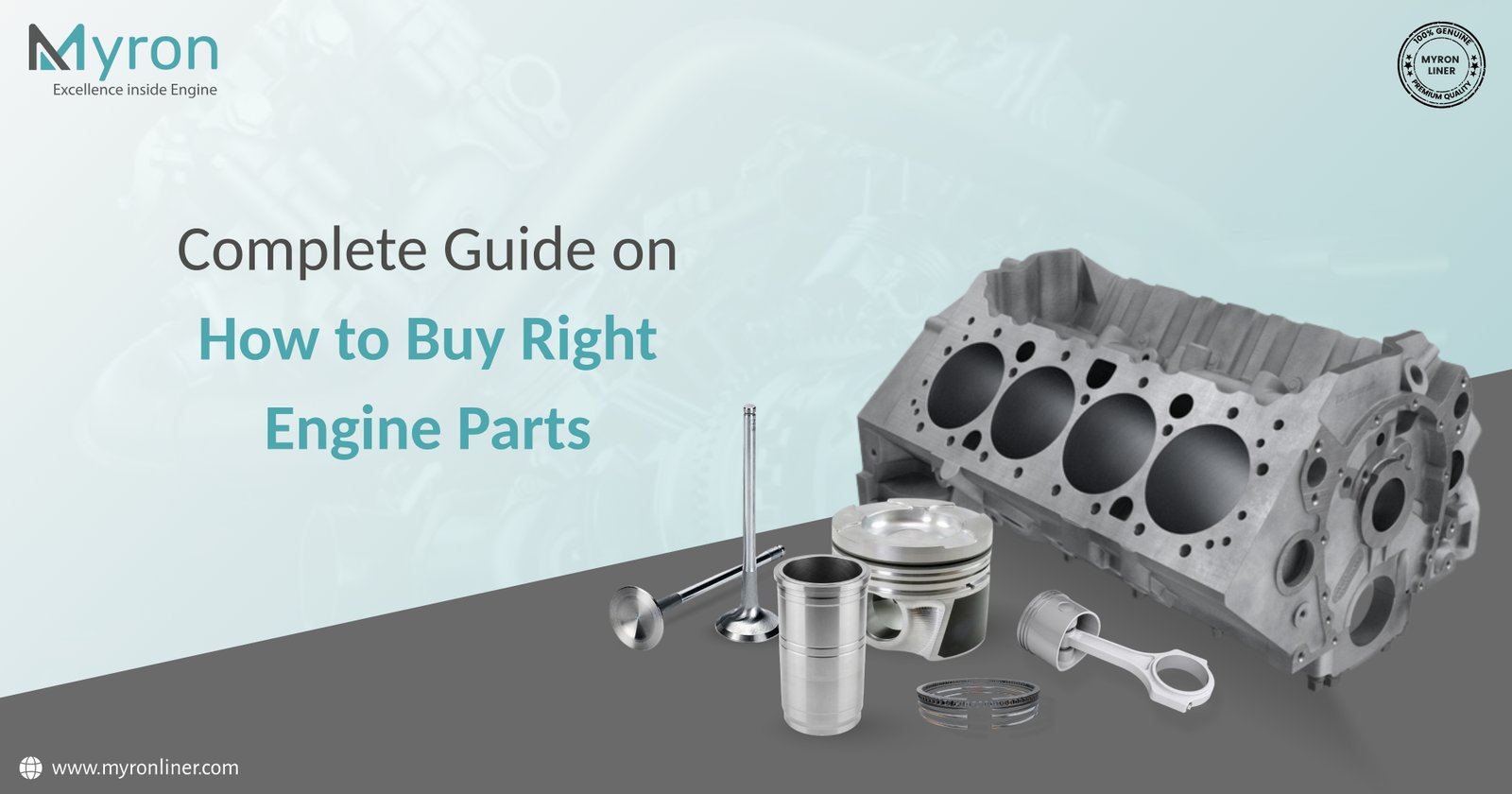
Complete Guide on How to Buy Right Engine Parts
When it comes to maintaining or rebuilding an engine, choosing the right engine parts is not just a matter of performance - it's a matter of safety, longevity, and cost-efficiency. Whether you're a professional mechanic, an engine rebuilder, or a vehicle owner, the process of selecting and purchasing engine parts requires thoughtful consideration. A wrong choice can lead to premature wear, engine failure, or costly repairs.
This guide will walk you through everything you need to know to confidently buy the right engine parts, focusing on key aspects like quality, pricing, customer service, and industry experience. As a manufacturer or buyer of aftermarket engine components, making informed decisions is the key to long-term engine performance and reliability.
Understand What Engine Parts You Need
Before starting your search, clearly define which engine parts you need. Engines are complex machines with multiple moving parts, each serving a specific function. Some of the most commonly purchased components include:
- Cylinder liners: Provide a wear-resistant surface for the piston
- Pistons and rings: Convert combustion pressure into mechanical motion
- Connecting rods: Link the piston to the crankshaft
- Crankshafts: Convert linear motion into rotation
- Camshafts: Regulate intake and exhaust valve movement
- Bearings and bushings: Reduce friction between moving parts
- Valves and valve guides: Control airflow and fuel mixture in the combustion chamber
Having detailed information about your engine - like the make, model, displacement, fuel type, and engine code—ensures compatibility when selecting the correct engine parts.
Knowledge and Experience Matter
When you're dealing with engine components, the seller's experience is as important as the product itself. Always look for manufacturers or suppliers with proven expertise in the engine parts industry. Experienced suppliers understand technical specifications, tolerance levels, and application-specific needs far better than general retailers.
Benefits of choosing a knowledgeable manufacturer:
- They can guide you in selecting the most suitable parts
- They provide technical support for installation and usage
- They are better equipped to ensure part compatibility
- They often maintain a wider stock of hard-to-find or specialized components
When you're working with aftermarket parts, technical accuracy and application knowledge is critical - especially in industries such as heavy-duty transport, agriculture, construction, or marine.
Focus on Quality Over Everything Else
In the world of engine rebuilding or maintenance, quality is the top priority. Poor-quality engine parts can cause uneven wear, overheating, or catastrophic engine damage. The material, design, and manufacturing process directly influence the durability and performance of an engine component.
Here's what to check for when evaluating quality:
- Material Composition: Cylinder liners should be made of alloyed cast iron or ductile iron. Pistons should be manufactured from forged aluminum or steel, and crankshafts must be forged or precision-cast.
- Manufacturing Precision: Parts should meet strict machining tolerances. This ensures proper fit and optimal functioning under pressure and heat.
- Surface Treatments: Techniques like nitriding, phosphating, or plateau honing enhance wear resistance, lubrication, and corrosion protection.
- Stress Testing: Reputable manufacturers test their parts under real-world conditions to guarantee reliability.
If you're dealing with heavy-duty or high-performance engines, these quality factors become even more critical. Don't settle for anything less than parts engineered to handle the load.
Customer Experience Builds Trust
Great products are important - but so is the experience surrounding them. Choose a supplier that treats customer service as a core part of their business. This is especially important if you're buying bulk engine parts or sourcing for professional repair services.
A reliable supplier should offer:
- Clear communication throughout the purchase process
- Fast response times to technical or product inquiries
- Detailed documentation, including technical specs, usage guides, and warranties
- Easy return or exchange policies in case of compatibility issues
Positive customer experiences create long-term relationships and reduce stress during the engine repair or rebuilding process. Whether you're ordering for a workshop or fleet service, responsive support can make all the difference.
Price vs. Value: Know the Difference
While price is an important consideration, it shouldn't be the only one. In the world of engine parts, you often get what you pay for. Bargain-priced components may seem like a win, but they could lead to failures, downtimes, and expensive rework.
When evaluating pricing, consider:
- Material quality and treatments
- Precision in machining and finishing
- After-sales support and warranty
- Reputation of the brand or manufacturer
- Longevity and life cycle of the part
It's better to invest slightly more in a high-quality aftermarket engine component than to save on upfront costs and risk a breakdown. Compare prices, but always consider the overall value.
Read More: Things to Consider When Importing Engine Parts from India
Guarantee and Warranty Support
A manufacturer's confidence in their product is reflected in their guarantee or warranty policy. When buying engine parts, always ask:
- Is there a warranty? What does it cover?
- What's the process for returns or replacements?
- Is technical support available post-purchase?
- Are the engine parts tested and certified?
Reliable aftermarket engine part manufacturers offer warranties because they know their components meet industry standards. If a supplier doesn't provide any support or product assurance, it's a red flag.
Check for Compatibility and Application Fit
Even the best-quality engine part won't perform if it's not the right fit. Be sure to:
- Cross-check engine codes and part numbers
- Confirm compatibility with your engine's fuel type and configuration
- Avoid mixing brands unless you're certain they work together
- Use reference catalogs or reach out to the manufacturer for fitment guidance
Always request technical specifications, measurements, and compatibility data before making a purchase. Compatibility mistakes are costly and avoidable.
Look for Proven Performance in Real-World Applications
Whether you're buying engine parts for trucks, tractors, generators, or industrial machines, it's helpful to work with suppliers whose components are already being used in the field.
Look for:
- Case studies or testimonials from other buyers
- Industry-specific product ranges (agricultural, marine, off-road, etc.)
- Application-specific engineering features, like reinforced liners or heat-treated pistons
- Partnerships with workshops, rebuilders, or OEM-aligned service centers
This real-world validation adds confidence and reduces your risk.
Why Myron Liners Is a Trusted Manufacturer of Engine Components
When it comes to aftermarket engine parts, particularly cylinder liners, Myron Liners is a globally recognized name trusted by engine rebuilders, distributors, and heavy equipment operators alike.
What Sets Myron Liners Apart?
- Specialization in Cylinder Liners: Myron Liners focuses exclusively on precision-engineered liners for a wide range of diesel and petrol engines used in commercial, agricultural, and marine sectors.
- Durability and Strength: Manufactured using high-quality cast iron and treated with surface hardening techniques, their liners offer extended life and excellent wear resistance.
- Custom Solutions: Myron Liners supports a wide variety of engines and offers customizations for unique industrial applications.
- Global Reach: Serving customers across continents, Myron Liners ensures fast delivery, responsive customer service, and consistent part availability.
- Reliable Engine Components: Whether you're managing a fleet, running a workshop, or maintaining construction machinery, Myron Liners provides dependable engine components that keep your equipment running efficiently.
Visit www.myronliner.com to explore their complete product range and see how their expertise can power your engine needs.
Final Thoughts
Buying the right engine parts is about more than just filling a shopping list—it's about ensuring your engine runs smoothly, efficiently, and for the long haul. With the right mix of product knowledge, supplier trust, quality assurance, and value-focused pricing, you can avoid costly setbacks and get the performance you need.
Whether you're a repair professional, a fleet manager, or a business sourcing engine parts in bulk, make sure your supplier meets high standards—not just in product manufacturing but also in customer care, technical knowledge, and ongoing support.
For those looking for top-tier engine components, especially cylinder liners designed for real-world performance, Myron Liners is a name you can trust.
Reference:
Internal Combustion Engine by Wikipedia[1].
FAQ
1. What are the most important engine parts to replace during an overhaul?
During an engine overhaul, key parts often replaced include cylinder liners, pistons, crankshafts, bearings, valves, and camshafts. These components endure the most stress and are vital to engine performance.
2. How do I know if an engine part is compatible with my vehicle?
Check the engine code, vehicle model, and specifications. Match part numbers, dimensions, and application details. When in doubt, consult your supplier or use compatibility charts provided by engine parts manufacturers.
3. Are aftermarket engine parts reliable for long-term use?
Yes, high-quality aftermarket engine parts - especially from trusted manufacturers—can meet or exceed OEM standards. They offer excellent durability, precision, and cost-effectiveness when sourced from reputable suppliers.
4. Why is the material quality important in engine parts?
Engine parts operate under high temperatures and stress. Materials like forged steel, alloyed cast iron, and heat-treated aluminum ensure parts can withstand pressure, resist wear, and deliver long-term performance.
5. Where can I buy quality cylinder liners and engine components?
You can source precision-engineered engine components like cylinder liners from trusted manufacturers like Myron Liners, known for quality, durability, and worldwide distribution.
Reference & Trademark Disclaimer
All manufacturer names, trademarks, logos, product names, part numbers, model numbers, descriptions, and other identifying references mentioned in this article are used for identification, reference, and cross-reference purposes only.
Such references do not imply any affiliation, association, authorization, sponsorship, approval, or endorsement by the respective manufacturers or trademark owners. All trademarks, brand names, product names, part numbers, and related intellectual property remain the property of their respective owners.
MYRON LINER LLP is an independent manufacturer and supplier of engine components. The use of any third-party name or reference is solely intended to help readers identify the applicable engine, component, or application.