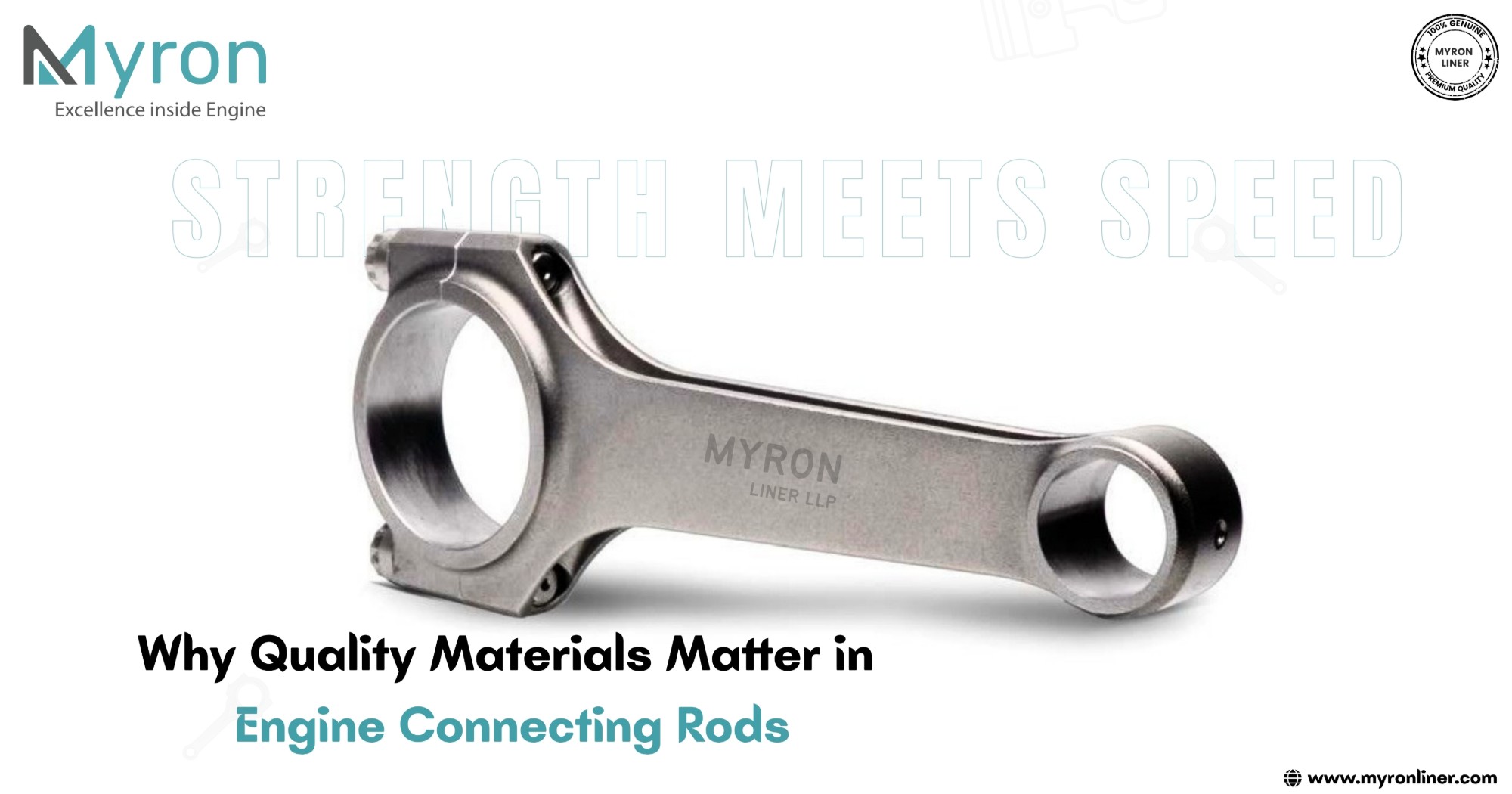
Why Quality Materials Matter in Engine Connecting Rods
In the world of internal combustion engines, few components bear as much responsibility as the connecting rod. Tasked with converting the reciprocating motion of the piston into the rotational motion of the crankshaft, the connecting rod is a vital link in engine performance, strength, and efficiency. Given the intense mechanical and thermal stress this component endures, the choice of connecting rod material is not just a technical detail - it's a critical factor that can determine the longevity and reliability of the entire engine.
This article explores why quality materials matter in engine connecting rods, the types of connecting rod materials commonly used, their mechanical properties like tensile strength, and how material choice impacts overall engine components.
What Is a Connecting Rod?
Before delving into material quality, it's essential to understand what a connecting rod is and its role in engine functionality. The connecting rod (often shortened to "con rod") is a rod-shaped component that connects the piston to the crankshaft in an engine. It transmits the force exerted by the combustion of fuel to the crankshaft, which in turn powers the vehicle.
Given its critical position in engine components, a failure in the connecting rod can result in catastrophic engine damage. Thus, the design and material selection for connecting rod parts require precision engineering and high-quality standards.
Why Material Quality Is Crucial in Connecting Rods
The mechanical and thermal conditions inside an engine are extreme. A connecting rod must withstand repeated cycles of high pressure, high temperature, and rapid motion without deforming or breaking. Therefore, the quality of the connecting rod material directly influences the following:
- Tensile strength: The connecting rod is subjected to both compressive and tensile loads during engine operation. High tensile strength ensures the rod can resist stretching or breaking under tension, especially during high RPMs or sudden throttle changes.
- Fatigue resistance: A connecting rod experiences millions of loading and unloading cycles over its lifetime. If the material lacks fatigue resistance, microscopic cracks can develop over time, leading to sudden, catastrophic failure without warning.
- Weight-to-strength ratio: In performance or racing engines, reducing the weight of moving parts improves responsiveness and reduces stress on the crankshaft and bearings. Lightweight yet strong materials - like forged steel or titanium—are preferred for their superior weight-to-strength ratios.
- Durability and longevity: Inferior materials may degrade quickly due to heat, stress, or wear. Quality materials extend the service life of the connecting rod and, by extension, the engine itself. This means fewer breakdowns, lower maintenance costs, and longer engine intervals between rebuilds.
- Performance efficiency: High-quality connecting rods enable smoother and more efficient energy transfer between pistons and the crankshaft. This reduces mechanical losses, enhances throttle response, and contributes to better fuel economy.
Inferior materials can lead to premature wear, fractures, or catastrophic failures that damage surrounding engine parts. On the other hand, high-quality connecting rods made from well-engineered materials contribute to enhanced engine performance, smoother operation, and increased engine lifespan.
The Risks of Using Substandard Materials
Using low-grade materials can have severe consequences. It may start with minor deformation, increased vibration, or performance issues. Over time, these symptoms can evolve into complete rod failure, which can damage surrounding engine parts such as the crankshaft, cylinder walls, and pistons. In worst-case scenarios, it can lead to a blown engine—a repair that's both costly and time-consuming.
Read More: Why Myron Liners: #1 Choice for Precision Engine Cylinder Liners
Common Types of Connecting Rod Materials
Various materials are used in manufacturing connecting rods, each with its strengths, weaknesses, and ideal use cases. Let's take a closer look at the most common connecting rod materials:
1. Steel (Forged or Billet)
Steel is the most common material used in connecting rods. Forged steel connecting rods are known for their excellent tensile strength, fatigue resistance, and reliability. Billet steel rods, cut from a solid block, are often used in performance engines where precise customization is needed.
- Pros: High strength, durability, cost-effective
- Cons: Heavier than alternatives like aluminium or titanium
2. Aluminum Alloys
Aluminium connecting rods are lighter, making them ideal for high-RPM engines where reducing reciprocating mass is a priority. However, they typically have lower tensile strength and shorter lifespans than steel rods, making them better suited for racing engines that undergo frequent overhauls.
- Pros: Lightweight, suitable for high-speed performance
- Cons: Lower fatigue resistance, less durable over time
3. Titanium
Titanium is a high-end material used in premium or racing engines. It offers an excellent balance between strength and weight, providing the strength of steel and the lightness of aluminium.
- Pros: High tensile strength, corrosion-resistant, lightweight
- Cons: Expensive, difficult to machine, limited use in everyday vehicles
Types of Connecting Rods: Shapes and Designs
Beyond material choice, connecting rods also differ by shape and design. Some common types include:
- I-Beam Rods: Traditional design, strong under compression
- H-Beam Rods: Designed for high-performance engines, better stress distribution
- A-Beam Rods: A hybrid design offering benefits of both I- and H-beam shapes
The design must work synergistically with the material to maximize strength while minimizing weight and vibration.
Key Mechanical Properties: Why Tensile Strength Matters
Among the various mechanical properties of connecting rod material, tensile strength is one of the most critical. It refers to the maximum stress a material can withstand while being stretched before breaking. Since connecting rods are exposed to extreme pulling and pushing forces during each engine cycle, high tensile strength is essential to prevent rod failure.
For example:
- Steel typically offers a tensile strength of 800-1000 MPa
- Aluminium alloys range around 450-550 MPa
- Titanium can provide tensile strengths above 1000 MPa
Choosing a connecting rod material with appropriate tensile strength ensures that the rod can handle engine loads without cracking, stretching, or breaking over time.
Impact on Other Engine Components
The connecting rod doesn't work in isolation. Its performance and durability affect other engine parts, such as the crankshaft, pistons, cylinder liners, and bearings. Poor-quality connecting rods can cause:
- Misalignment or stress on the crankshaft
- Piston damage due to improper motion transfer
- Excessive wear on cylinder walls and bearings
Conversely, premium connecting rod parts contribute to the overall harmony and efficiency of engine components, improving fuel efficiency, reducing noise and vibrations, and increasing reliability.
Engineering Considerations in Material Selection
When selecting a connecting rod material, engineers consider several critical factors:
- Application type: High-performance vs. daily driving
- Operating RPM and power output
- Weight balance in the crankshaft assembly
- Thermal expansion and heat resistance
- Machinability and manufacturing cost
For instance, in motorsport applications, aluminium or titanium rods may be preferred for their weight-saving benefits. In contrast, a forged steel rod might be the ideal choice for long-term durability in a heavy-duty commercial engine.
Quality Control and Testing
Premium connecting rod manufacturers use rigorous testing and quality control processes to ensure reliability:
- X-ray inspections
- Ultrasonic testing
- Magnetic particle inspection (MPI)
- Fatigue testing under simulated load cycles
These methods help identify micro-cracks, inclusions, or imperfections that could lead to failure during operation. High-quality materials make it easier to pass these stringent tests, offering peace of mind to OEMs and end users alike.
Final Thoughts: Material Quality as a Performance Multiplier
Whether you're designing an engine for daily driving, motorsport, or industrial use, the importance of using high-quality materials in your connecting rods cannot be overstated. The right connecting rod material not only improves tensile strength and fatigue resistance but also harmonizes with other engine components to deliver superior performance and longevity.
Where to Source Premium Engine Connecting Rods and Engine Parts
If you're looking for a reliable supplier of high-performance engine parts, Myron Liners is a trusted name in the industry. Specializing in the manufacturing and supply of premium-grade automobile engine components, including connecting rods, cylinder liners, and more, Myron Liners ensures you never have to compromise on material quality or engineering precision.
Visit https://myronliner.com to explore their full range of expertly crafted engine solutions.
Reference:
Connecting rod by Wikipedia[1].
FAQ
What is a connecting rod in an engine?
A connecting rod links the piston to the crankshaft, converting linear motion into rotational motion.
How much does it cost to replace an engine connecting rod?
Replacement can cost between ₹10,000–₹40,000 ($120–$500), depending on the vehicle and labour.
Can a connecting rod be repaired?
Minor damage can sometimes be repaired, but replacement is usually recommended for safety and reliability.
What are the four types of connecting rods?
The four types are I-beam, H-beam, X-beam (or A-beam), and tubular rods.
When should a connecting rod be replaced?
Replace it if it's bent, cracked, worn out, or after a severe engine failure or knocking.
What causes a connecting rod to fail?
Common causes include oil starvation, engine over-revving, detonation, or poor-quality materials.
Is upgrading connecting rods worth it for performance engines?
Yes, high-performance rods improve strength and durability and allow safer operation at higher RPMs.
Reference & Trademark Disclaimer
All manufacturer names, trademarks, logos, product names, part numbers, model numbers, descriptions, and other identifying references mentioned in this article are used for identification, reference, and cross-reference purposes only.
Such references do not imply any affiliation, association, authorization, sponsorship, approval, or endorsement by the respective manufacturers or trademark owners. All trademarks, brand names, product names, part numbers, and related intellectual property remain the property of their respective owners.
MYRON LINER LLP is an independent manufacturer and supplier of engine components. The use of any third-party name or reference is solely intended to help readers identify the applicable engine, component, or application.