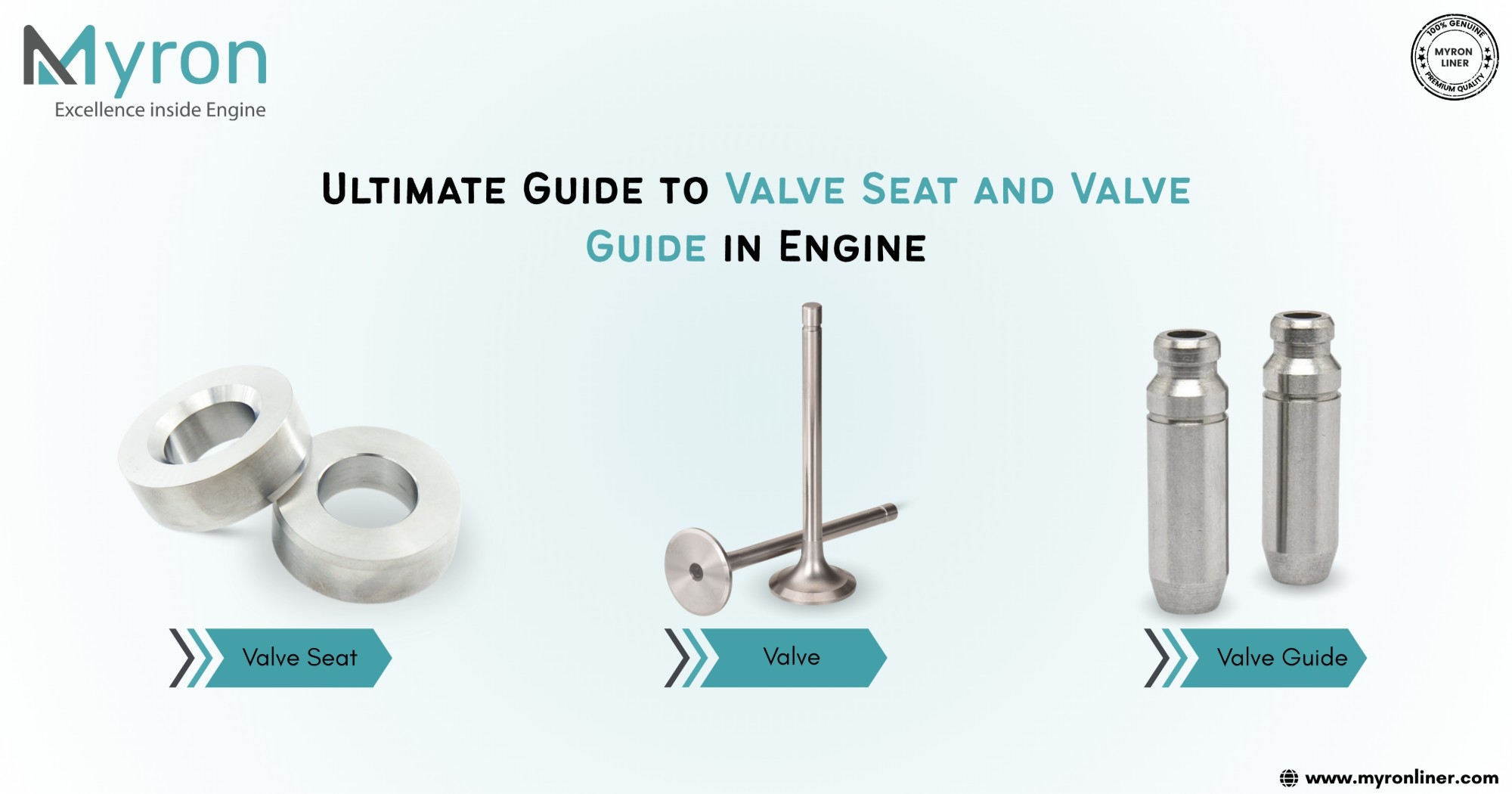
Ultimate Guide to Valve Seat and Valve Guide in Engine
When it comes to understanding how internal combustion engines operate efficiently and reliably, every tiny component plays a vital role. Among these, the valve seat and valve guide may seem minor, but they are critical for the overall performance, efficiency, and lifespan of the engine. Whether you're an automotive professional, an engineering student, or simply an enthusiast, this comprehensive guide will walk you through everything you need to know about engine valve seats and valve guides. With precision and durability at stake, understanding how these components function is essential. Even minor imperfections in these components can significantly affect overall engine output.
What Is an Engine Valve?
Before we dive into valve seats and guides, let's quickly define what an engine valve is and its role in an internal combustion engine.
Engine valves are mechanical devices that open and close at precise times to allow air-fuel mixture into the cylinder and exhaust gases out. There are two primary types of engine valves:
- Intake valves – will enable the air-fuel mixture to enter the combustion chamber.
- Exhaust valves – let burnt gases exit after combustion.
Each engine valve works in perfect synchronization with the crankshaft and camshaft, and its motion is guided and supported by a valve guide and sealed tightly by a valve seat when closed. The proper operation of the engine valve is critical to maintain optimal compression and combustion efficiency. Malfunctioning valves can lead to power loss, rough idling, or even engine failure.
What Is a Valve Seat?
A valve seat is a vital component of the cylinder head in an engine. It is the surface against which an engine valve rests when it is closed. Valve seats provide a sealing surface that allows the engine to maintain compression and prevent leakage of combustion gases. They also play a role in transferring heat from the valve to the cylinder head, which helps avoid overheating the valve.
Functions of a Valve Seat:
- Provides a tight seal to retain cylinder pressure
- Transfers heat from the valve to the cylinder head
- Ensures proper alignment and seating of the valve
- Resists wear from repetitive contact with the valve
In the long term, the durability and heat management offered by the valve seat influence engine longevity. This small yet powerful part of the engine valve system plays a significant role in high-efficiency operation. Improper seating can cause hot gas leakage, reducing combustion efficiency and damaging other engine components.
What Is a Valve Guide?
A valve guide is a cylindrical piece of metal, usually pressed or cast into the cylinder head, through which the engine valve stem passes. It provides support and alignment to the valve as it moves up and down. Valve guides ensure that the valves open and close correctly and help dissipate heat from the valve stem to the cylinder head.
Key Functions of Valve Guides:
- Keep engine valves aligned
- Minimize lateral movement
- Conduct heat from valve stems to the cylinder head
- Reduce friction and wear
Over time, wear in a valve guide can lead to reduced engine valve efficiency, oil leakage, and emissions issues. Ensuring the guide is in good shape is key to maintaining a stable valve train. A tight tolerance between the guide and valve stem is critical to prevent noise and performance loss.
Types of Valve Seats
There are two main types of valve seats used in engines:
1. Integral Valve Seats
These are machined directly into the cylinder head, typically used in cast iron heads. They're cost-effective but not as durable as insert-type valve seats. They're commonly used in smaller engines and older models where engine valve load is relatively low. If damaged, replacing integral seats often means replacing the entire head.
2. Insert Valve Seats
These are separate components pressed into the cylinder head. They're usually made of hardened steel or other alloys and can be replaced or upgraded. This type is common in aluminium cylinder heads and high-performance engines. Insert valve seats improve heat dissipation and are essential for engines with higher operating temperatures. They're also easier to service or replace compared to integral seats.
Types of Valve Guides
Valve guides also come in various designs, depending on engine type and performance requirements:
1. Solid Valve Guides
Simple, cylindrical, and solid in shape, they are common in standard engine applications. These are cost-effective and easy to manufacture, making them ideal for general use. Most OEM engines use solid valve guides as the default option.
2. Split Valve Guides
These are split along their length and used in some engines for easier installation or enhanced cooling. They are ideal for engines that require precise engine valve guide fitment and alignment. Split guides also provide some flexibility during valve stem expansion under heat.
3. Tapered Valve Guides
These guides have a tapered outer shape to reduce weight and improve air or exhaust flow around the guide. Often used in high-performance or racing engines, tapered guides enhance airflow dynamics around the engine valve. They are especially popular in turbocharged or tuned engines, where every bit of flow optimization counts.
Signs of Worn Valve Seats and Valve Guides
Like any engine component, valve seats and valve guides are prone to wear over time. Here are common symptoms of failure:
Symptoms of Worn Valve Seats:
- Loss of engine compression
- Poor engine performance
- Increased exhaust emissions
- Misfiring or rough idling
Symptoms of Worn Valve Guides:
- Excessive oil consumption
- Blue smoke from the exhaust
- Tapping noise from the cylinder head
- Poor sealing of valves
Valve Seat and Guide Material Considerations
The choice of material for valve seats and valve guides significantly impacts engine longevity and performance.
Standard Materials for Valve Seats:
- High-chromium cast iron
- Nickel-based alloys
- Cobalt-chromium (Stellite) for high-performance engines
These materials resist erosion and wear, especially in engines operating at high temperatures and pressures. A high-quality valve seat ensures better heat transfer and wear resistance. Choosing the right seat material also minimizes the chances of valve recession or warping.
Standard Materials for Valve Guides:
- Cast iron (for wear resistance and machinability)
- Bronze alloys (for high-performance and racing engines)
- Powder metallurgy (for modern engines)
Each material type offers different advantages in durability, lubrication retention, and thermal expansion, directly influencing engine valve guide performance. Bronze guides, for example, provide self-lubricating properties ideal for racing or continuous high-RPM conditions.
Maintenance and Replacement Tips
While valve seats and valve guides are designed to last for a long time, maintenance and timely replacement are essential, especially in high-mileage or performance vehicles.
Tips for Longevity:
- Use high-quality engine oil to reduce wear
- Avoid engine overheating
- Replace valve seals as needed
- Inspect valve clearance regularly
Monitoring engine performance and oil usage can help detect valve seat or valve guide issues early. Preventive maintenance is crucial to avoid unexpected engine failures. Always use OEM-quality replacement parts to ensure proper engine valve fitment and function.
Future Trends: Advanced Materials and Coatings
The future of engine valve components includes innovations in materials and coatings that further enhance durability and heat resistance. Plasma-sprayed coatings, ceramic-infused valve seats, and nano-material enhancements are being explored to meet the demands of modern engines, particularly those running at higher RPMs and with increased efficiency standards.
These advancements aim to increase lifespan while reducing friction and emissions, keeping engines cleaner and more efficient. Expect to see engine valve guide coatings that lower wear and increase thermal control. Advanced coating technologies can also reduce carbon buildup and enhance compatibility with alternative fuels.
Choosing Quality Matters: Myron Liners
When it comes to choosing high-quality engine components, selecting the right manufacturing partner makes all the difference. If you're looking for reliable cylinder liners that complement premium valve components, look no further than Myron Liners.
Myron Liners is a trusted manufacturer and supplier of precision-engineered cylinder liners known for durability, compatibility, and high thermal resistance. Their advanced production standards and quality assurance processes ensure that their products meet global OEM specifications.
Whether you're assembling a high-performance engine or restoring a classic, Myron Liners can provide the perfect solution to complement your engine valve, valve seat, and valve guide setup. Myron Liners is your go-to brand when it comes to sourcing reliable cylinder liner solutions. The company has a proven track record of delivering consistent quality across a wide range of engine applications.
Reference:
Valve seat by Wikipedia[1].
Valve guide by Wikipedia[2].
FAQ
1. What does a valve guide do?
A valve guide is a cylindrical component that supports and aligns the valve stem, ensuring smooth up-and-down motion of the engine valve. It also helps transfer heat from the valve stem to the cylinder head, minimizing wear and maintaining valve timing accuracy.
2. What happens if valve guides are worn?
Worn valve guides can cause the valve stem to wobble or move excessively, leading to oil leakage into the combustion chamber. This often results in blue smoke from the exhaust, increased oil consumption, poor engine performance, and even valve misalignment. If not addressed, it can accelerate wear on the valve and seat, causing long-term engine damage.
3. What is the difference between a valve guide and a valve seat?
A valve guide is a tube-shaped insert that the valve stem slides through to stay aligned during operation, while a valve seat is the surface where the valve face rests to seal the combustion chamber. The valve guide ensures proper valve movement and heat transfer from the stem, while the valve seat creates a tight seal to maintain compression and exhaust efficiency.
4. What are two types of valve seats?
The two main types of valve seats are integral valve seats and insert valve seats. Integral seats are machined directly into the cylinder head, commonly used in cast iron heads for cost-efficiency. Insert valve seats are separate hardened metal rings pressed into the head, widely used in aluminium heads and high-performance engines due to their durability and ease of replacement.
5. How do you know if a valve seat is leaking?
Symptoms like loss of compression, engine misfiring, rough idling, or unusual exhaust smoke can identify a leaking valve seat. Mechanics often confirm the issue using a leak-down test or compression test, which reveals air escaping through improperly sealed valve seats.
6. Can valve guides be replaced without removing the cylinder head?
In most cases, valve guides cannot be replaced without removing the cylinder head, as proper access and machining tools are required to press out and install the guides. While some temporary fixes exist, a complete replacement typically involves head removal to ensure the correct alignment and seating of the new guides.
7. Do valve seats need to be lapped?
Yes, valve seats often need to be lapped to ensure a smooth, perfect seal between the valve face and the seat. Lapping involves applying a fine abrasive compound to match the surfaces, improving compression and preventing leaks.
Reference & Trademark Disclaimer
All manufacturer names, trademarks, logos, product names, part numbers, model numbers, descriptions, and other identifying references mentioned in this article are used for identification, reference, and cross-reference purposes only.
Such references do not imply any affiliation, association, authorization, sponsorship, approval, or endorsement by the respective manufacturers or trademark owners. All trademarks, brand names, product names, part numbers, and related intellectual property remain the property of their respective owners.
MYRON LINER LLP is an independent manufacturer and supplier of engine components. The use of any third-party name or reference is solely intended to help readers identify the applicable engine, component, or application.