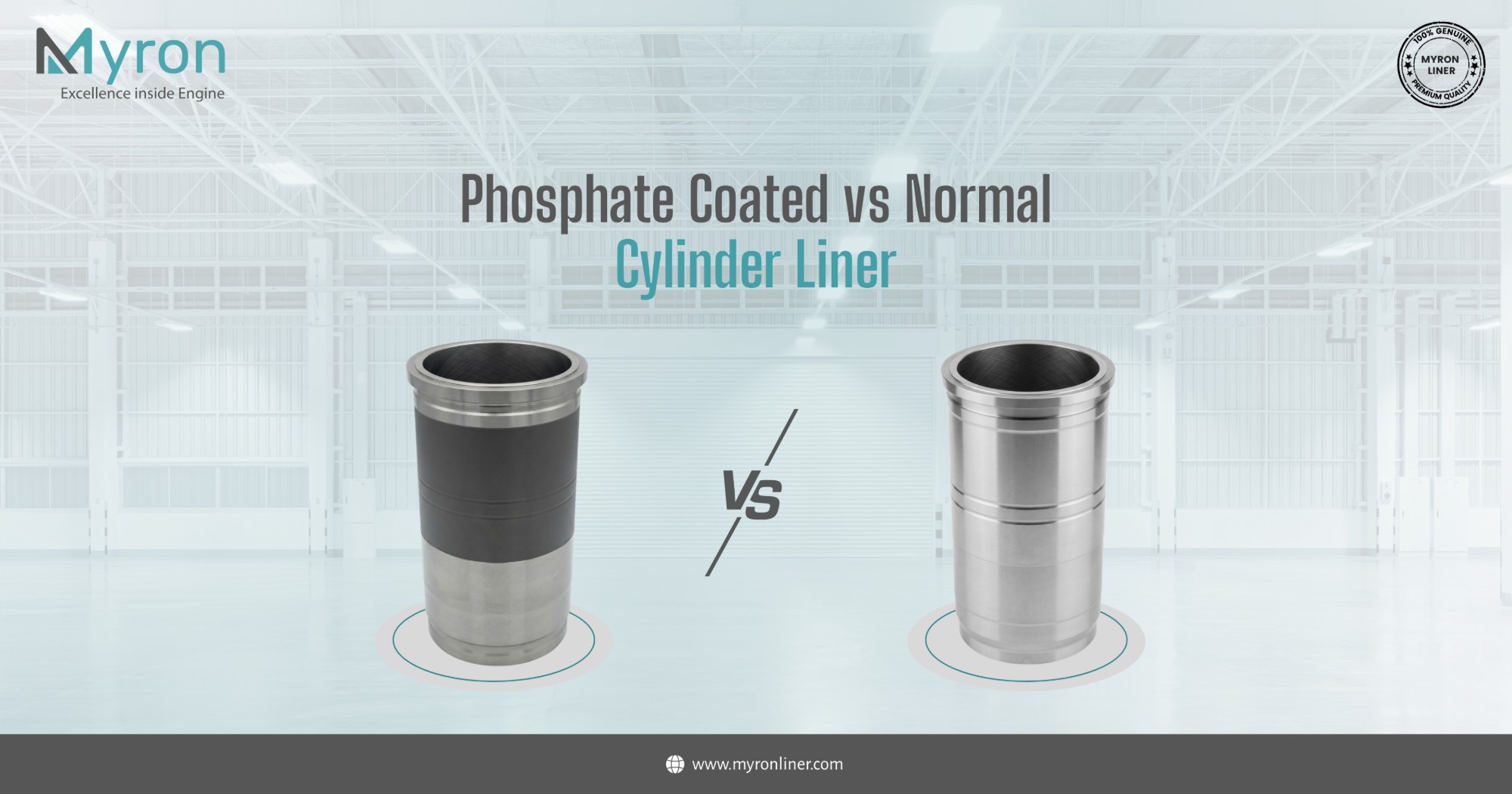
Phosphate Coated vs Normal Cylinder Liner
Cylinder liners sit inside the engine block. They form the walls where the piston moves up and down. This part faces high heat, pressure, friction, and wear every day. Choosing the right liner matters for how long your engine lasts and how well it runs.
Two common options are normal cylinder liners and phosphate-coated cylinder liners. This guide explains both in detail so you can pick what fits your needs.
What Is a Cylinder Liner and Why Does It Matter?
A cylinder liner is a replaceable tube made mostly from cast iron. It fits into the engine block and creates a smooth, strong surface for the piston and rings. It helps seal combustion gases, transfers heat away from the piston, and reduces wear on the block itself.
Without a good liner, the engine block would wear out fast. Liners make repairs easier and cheaper because you can replace just the liner instead of the whole block. They come in different types and finishes to match various engines.
Engines in heavy vehicles work hard. Good liners keep oil in place, fight rust, and handle constant movement. This leads to fewer breakdowns and lower costs over time.
Myron Liner offers precision-made cylinder liners that meet these needs. Check our products for reliable options that fit many engine models.
Types of Cylinder Liners: Dry, Wet, and Finned
Cylinder liners fall into three main types based on how they sit in the engine and how they cool.
Dry Cylinder Liners: These fit tightly into the block with no direct contact with coolant. They are thinner and lighter. Heat moves through the liner to the block and then to the coolant. Dry liners suit many car and light truck engines. They are easy to install and replace.
Wet Cylinder Liners: These touch the coolant directly on the outside. They have thicker walls and seal with O-rings or gaskets at top and bottom. Wet liners cool better because coolant flows around them. They are common in bigger diesel engines for trucks and tractors. They also handle higher loads well.
Finned or Air-Cooled Cylinder Liners: These have fins on the outside for air cooling. They work in motorcycles, small engines, and generators without liquid coolant. The fins increase surface area so air carries heat away.
Each type has its place. The choice depends on engine design, cooling system, and use.
Materials Used in Cylinder Liners
Most cylinder liners use grey cast iron because it wears well, holds heat, and costs a fair price. Manufacturers add elements like chromium, molybdenum, nickel, silicon, manganese, and phosphorus to improve strength and wear resistance.
Typical chemical composition includes:
- Carbon: 2.90% to 3.50%
- Silicon: 1.80% to 2.50%
- Manganese: 0.60% to 1.00%
- Phosphorus: up to 0.50%
- Chromium: 0.20% to 0.50% (for extra hardness)
Microstructure matters too. Good liners show type A or B graphite flakes, low free ferrite (less than 5%), and a pearlitic matrix. Hardness often ranges from 200-300 Brinell.
Heat treatment like quenching and tempering makes the surface harder. Some liners get special alloys for high-performance engines.
Normal liners rely on the base cast iron properties. Phosphate coated versions add a surface layer on top of this strong base.
What Is Phosphate Coating on Cylinder Liners?
Phosphate coating is a chemical treatment that creates a thin layer of phosphate crystals on the metal surface. For liners, it usually means manganese phosphate or zinc phosphate applied after honing.
The process involves cleaning the liner, then dipping it in a phosphoric acid solution with manganese or zinc salts. This forms a porous crystalline layer. Thickness is small — often a few microns — but it changes how the surface works.
Manganese phosphate gives excellent oil retention and wear protection for break-in. Zinc phosphate offers good corrosion resistance and paint adhesion if needed. The coating is crystalline and holds lubricant well.
On cylinder liners, phosphate often goes on the bore or water jacket areas (for wet liners). It helps during initial engine run-in and throughout use.
Normal Cylinder Liner (Without Coating) – Features and Performance
A normal or standard cylinder liner uses the cast iron base without extra surface coating on the working areas. It depends on the material properties and honing for performance.
Advantages:
- Lower initial cost.
- Simple manufacturing.
- Good for many standard applications.
- Easy to hone and service.
Disadvantages:
- More prone to rust if exposed to moisture, especially during storage or in humid areas.
- Less effective oil retention on the surface, which can lead to higher initial wear.
- May need more careful break-in to avoid scuffing.
- Shorter life in very demanding conditions with poor lubrication.
Normal liners work fine in controlled environments but can wear faster under heavy loads or if maintenance slips.
Phosphate Coated Cylinder Liner – Detailed Benefits and Specs
Phosphate coated liners add that extra layer for better results.
Key Benefits:
- Better Corrosion Resistance: The coating protects against rust from moisture or combustion acids. This is useful in storage and during operation.
- Improved Wear Resistance: Reduces metal-to-metal contact during break-in and normal use. The crystals help distribute load.
- Superior Oil Retention: Porous structure holds oil better, keeping a film on the surface for smoother piston movement and less friction. This also aids cooling.
- Reduced Friction and Scuffing: Less galling and scratching on rings and liner.
- Longer Service Life: Less wear means fewer replacements and lower long-term costs.
- Better Break-In: Helps new engines or rebuilt ones settle in without damage.
Specifications often include the same base cast iron plus coating weight (e.g., 1000-4000 mg/ft² for manganese types). The bore stays honed with crosshatch for oil control, though the coating may slightly affect visibility of the pattern.
These liners suit heavy-duty trucks, agricultural equipment, marine engines, and high-mileage applications.
Direct Comparison: Phosphate Coated vs Normal Cylinder Liner
Corrosion Protection: Normal cylinder liners provide basic corrosion resistance that mainly depends on the material quality and proper lubrication. Phosphate coated liners offer superior corrosion protection thanks to the protective phosphate layer, making them more suitable for challenging operating conditions.
Wear Resistance: Standard cast iron liners deliver good wear resistance under normal conditions. However, phosphate coated liners provide enhanced wear resistance, reducing surface damage during both the initial break-in period and long-term engine operation.
Oil Retention: Normal liners rely on a honed surface to retain lubricating oil. In contrast, phosphate coated liners feature a porous crystal structure that holds oil more effectively, ensuring better lubrication and reducing metal-to-metal contact.
Friction and Break-in: Normal liners require careful engine break-in to minimize friction and wear. Phosphate coated liners reduce initial friction, allowing for a smoother, safer, and more efficient break-in process.
Cost: Normal cylinder liners have a lower initial purchase cost, making them a budget-friendly option. Phosphate coated liners cost slightly more upfront but offer better long-term value through improved durability and lower maintenance requirements.
Lifespan: In demanding environments, normal liners may experience faster wear and require earlier replacement. Phosphate coated liners generally last longer because of their improved wear resistance and corrosion protection.
Best Applications: Normal cylinder liners are ideal for light-duty engines and controlled operating conditions. Phosphate coated cylinder liners are the better choice for heavy-duty applications, high-performance engines, and environments with varying operating conditions.
Applications and When to Choose Which
Use normal liners for standard passenger cars or engines with regular maintenance and clean conditions.
Go for phosphate-coated in:
- Commercial trucks and buses
- Tractors and farm machinery
- Marine and generator sets
- Rebuilds where maximum life matters
- Areas with high humidity or poor fuel quality
Many modern engines benefit from coated liners for efficiency and emissions control.
Conclusion
Phosphate-coated cylinder liners offer clear edges in wear protection, corrosion resistance, oil retention, and overall durability compared to normal ones. For most serious applications, the coated version delivers better value. Normal liners still serve well in lighter uses.
Consider your engine type, operating conditions, and budget. Quality manufacturing like centrifugal casting plus the right finish makes all the difference.
For top-grade phosphate-coated and normal cylinder liners, trust Myron Liner. We deliver precision, reliability, and global support.
Reference & Trademark Disclaimer
All manufacturer names, trademarks, logos, product names, part numbers, model numbers, descriptions, and other identifying references mentioned in this article are used for identification, reference, and cross-reference purposes only.
Such references do not imply any affiliation, association, authorization, sponsorship, approval, or endorsement by the respective manufacturers or trademark owners. All trademarks, brand names, product names, part numbers, and related intellectual property remain the property of their respective owners.
MYRON LINER LLP is an independent manufacturer and supplier of engine components. The use of any third-party name or reference is solely intended to help readers identify the applicable engine, component, or application.