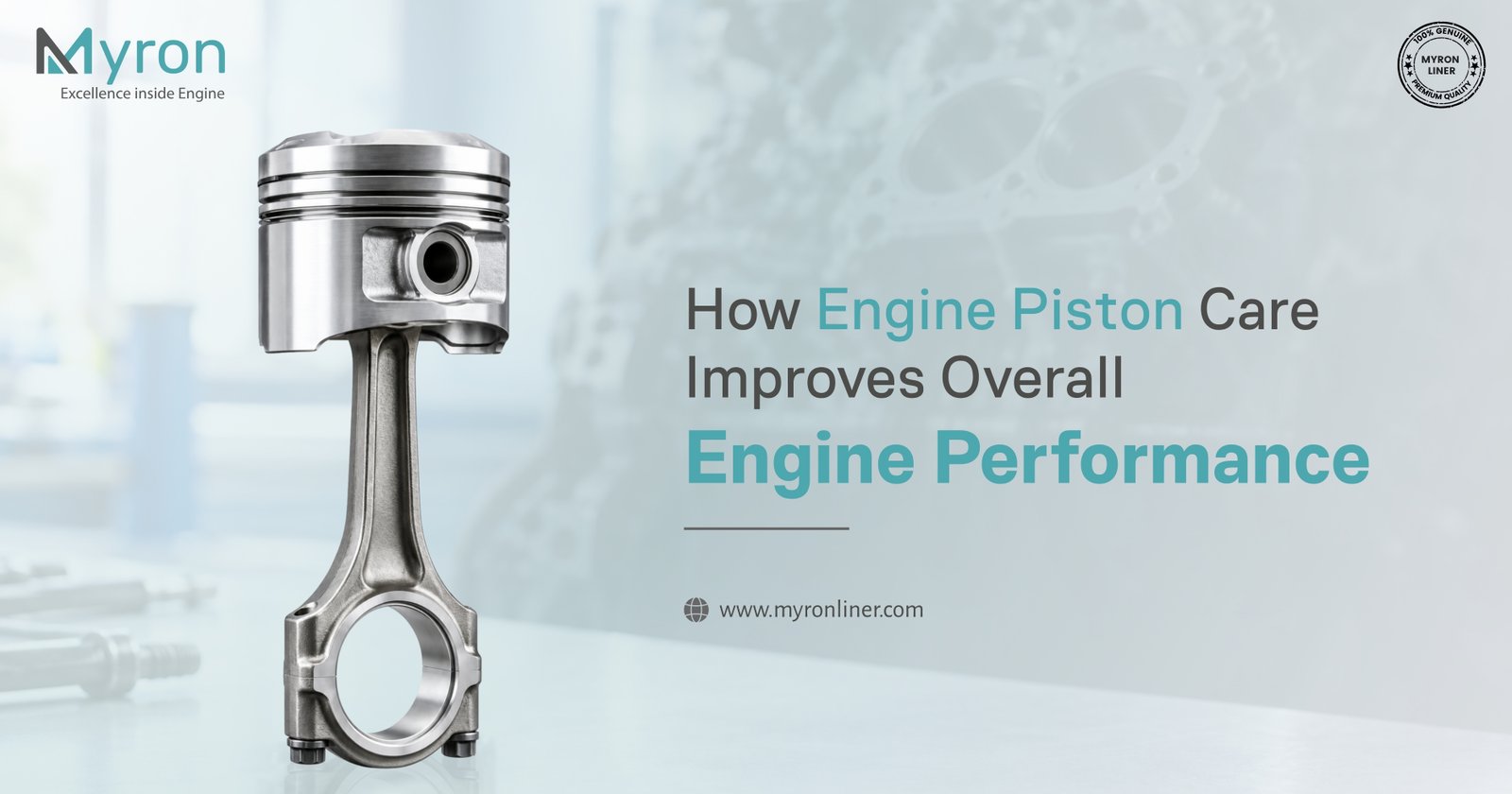
How Engine Piston Care Improves Overall Engine Performance
The heart of an engine includes a few components as critical as the engine piston. Pistons are crucial for maintaining the optimal performance of heavy-duty trucks, marine engines, and industrial machines. They help ensure smooth combustion and good engine performance.
Many operators and technicians ignore the importance of proper piston care. This can cause early wear, reduced efficiency, and expensive repairs.
In this guide, we will look at why caring for pistons is essential. We will cover key maintenance practices to follow. We will also see how these practices affect engine efficiency, fuel economy, and the engine's lifespan.
Why the Engine Piston Is the Heart of Performance
The engine piston is more than just a moving part. It serves as the link between combustion energy and mechanical power.
Each piston moves up and down in the cylinder. It compresses the fuel-air mixture. Then, it transfers force through the connecting rod to the crankshaft.
The engine piston is a moving cylinder inside the liner. It transfers combustion force to the crankshaft through the connecting rod. This makes it the central link between thermal energy and mechanical power.
If the piston is well-maintained, the engine delivers consistent compression, better combustion, and improved fuel economy. On the other hand, neglected piston care can lead to:
- Loss of compression
- Excessive oil consumption
- Poor fuel efficiency
- Higher emissions
- Complete engine breakdown in severe cases
Put, if the piston is compromised, engine performance suffers across the board.
Read more: Piston Design Explained: The Key to Maximizing Combustion Efficiency
Common Issues Affecting Engine Pistons
Before discussing care and maintenance, it is essential to recognize the problems that pistons commonly face.
Pistons face extremely high temperatures and pressures during each combustion cycle. This makes them prone to stress, overheating, and wear. Maintaining proper lubrication and cooling is essential to protect both the piston and overall engine performance.
1. Carbon Deposits
Over time, incomplete combustion causes carbon buildup on the piston crown and ring grooves. This buildup interferes with heat transfer and reduces efficiency.
2. Piston Ring Wear
The piston rings maintain compression and control oil flow. Worn-out rings result in blow-by gases escaping into the crankcase, leading to loss of power and increased oil usage.
3. Overheating and Scuffing
Poor lubrication or cooling can cause pistons to overheat, expand excessively, and scuff against the cylinder walls. This damages both the piston and the liner.
4. Cracks and Fatigue
Heavy loads, detonation, or poor-quality parts can result in piston cracks. Even minor cracks reduce structural integrity and threaten the engine's reliability.
By understanding these issues, you can see why engine piston maintenance is essential for sustaining engine performance.
Benefits of Proper Engine Piston Care
Taking care of pistons is not just about avoiding failures—it directly enhances overall performance. Here's how:
1. Improved Fuel Efficiency
Clean pistons with properly seated rings allow for complete combustion. This reduces wasted fuel, improving mileage and lowering operating costs.
2. Enhanced Power Output
Maintaining compression ensures that maximum energy is extracted from every combustion cycle. This translates into consistent and reliable power delivery.
3. Longer Engine Life
Regular inspections and preventive care help reduce wear and tear. This allows your engine to run for thousands of extra hours without major repairs.
4. Lower Emissions
Well-maintained pistons promote cleaner combustion, lowering harmful emissions and helping meet environmental regulations.
5. Reduced Downtime and Costs
By preventing piston-related failures, you avoid unexpected breakdowns and costly repairs, keeping equipment running efficiently.
Read More: Top Reasons for Piston Failure and How to Fix Them Effectively
Key Steps for Effective Engine Piston Maintenance
Caring for pistons is not overly complicated. With regular attention and the proper practices, you can extend both piston and engine life.
1. Regular Inspection
- Remove pistons during scheduled overhauls and check for cracks, wear, or scoring.
- Inspect piston rings for proper tension and fit.
- Check piston-to-cylinder clearance.
2. Proper Cleaning
- Clean piston crowns to remove carbon deposits.
- Pay attention to ring grooves, ensuring they are free from buildup.
- Use manufacturer-recommended solvents and tools to avoid damaging the piston surface.
3. Maintain Lubrication
Most manufacturers make modern pistons from aluminum alloys. These materials are strong, lightweight, and good at conducting heat. Despite this, they still require correct lubrication and careful maintenance to ensure durability and smooth operation.
- Always use high-quality engine oil suited for your application.
- Replace oil filters regularly to avoid contamination.
- Monitor oil consumption; sudden increases often signal piston or ring issues.
4. Control Engine Temperatures
- Maintain the cooling system to prevent piston overheating.
- Inspect water pumps, thermostats, and coolant regularly.
- Overheating accelerates piston wear and weakens metal integrity.
5. Replace Worn Pistons on Time
- Don't wait for total failure. If pistons show excessive wear or cracks, replace them during scheduled maintenance.
- Using aftermarket pistons designed for durability ensures cost-effective and reliable performance.
How Piston Care Influences Engine Performance Metrics
Compression and Power
Without strong compression, engines lose efficiency. Worn pistons and rings reduce compression, lowering horsepower and torque. Regular care restores sealing capacity, keeping engine performance consistent.
Fuel Consumption
A neglected engine piston allows unburned fuel to escape, increasing costs. Clean pistons maximize combustion efficiency and help reduce fuel bills.
Oil Control
Proper piston ring seating prevents oil from entering the combustion chamber. This ensures smoother operation and reduces smoke, protecting both the engine and the environment.
Durability
Cared-for pistons resist scuffing, pitting, and premature failure. This improves reliability, reduces breakdowns, and supports sustainable operations.
Best Practices for Long-Term Engine Health
To get the most from piston care, see it as part of a larger engine performance plan.
- Follow Maintenance Schedules – Stick to the inspection intervals recommended for your equipment type.
- Use Quality Parts – Cheap pistons may save money upfront, but fail faster. Always use reliable aftermarket components designed for your engine.
- Train Operators and Technicians – Educate staff on spotting early piston issues like smoke, noise, or loss of power.
- Monitor Engine Data – Keep an eye on oil pressure, temperature, and performance indicators to catch problems early.
- Document Maintenance History – Track piston replacements, inspections, and failures to improve preventive strategies.
The Role of Aftermarket Engine Pistons
In many industries, aftermarket engine parts provide a cost-effective and reliable solution compared to OEM components. Manufacturers produce aftermarket engine pistons to high standards, offering durability, compatibility, and performance benefits.
For operators of truck fleets, boats, or heavy equipment, aftermarket pistons keep engines running. They do this without exceeding maintenance budgets.
By choosing quality aftermarket suppliers, you can balance affordability with reliability while ensuring top-notch engine performance.
Conclusion
The engine piston is at the core of every combustion cycle, and its condition directly determines engine performance. From fuel efficiency to power output, emissions to long-term reliability, piston care makes all the difference.
By following best practices like regular inspections, proper cleaning, and reliable lubrication, you can extend piston life. This also keeps your engine healthy.
For businesses and operators that depend on reliable engines, piston care should never be an afterthought. Instead, it should be a proactive part of every maintenance plan.
About Myron Liners
Myron Liners is a trusted name in the global engine parts industry. They offer high-quality aftermarket components.
Myron Liners is a top manufacturer and supplier of cylinder liners. We dedicate ourselves to providing strong and well-made products. Our goal is to support long-lasting engine performance.
Myron Liners offers reliable aftermarket solutions for many industries. We help customers around the world keep their engines running well.
Reference:
Piston by Wikipedia[1].
FAQ
Q1: How do you clean engine pistons?
A1: Take out the piston. Clean it gently with a soft brush or cloth. Use a solvent recommended by the manufacturer to remove carbon deposits and dirt.
Q2: Do pistons need lubrication?
A2: Yes, proper lubrication is essential to reduce friction, prevent overheating, and maintain engine performance.
Q3: How do you check the piston condition?
A3: Inspect pistons for cracks, scoring, wear, and ring fit during regular maintenance or engine overhauls.
Q4: What is the best oil for cleaning pistons?
Use high-quality engine oil or special piston-cleaning solvents that the manufacturer recommends. Avoid harsh chemicals that can harm metal surfaces.
Q5: How often should mechanics inspect pistons?
A5: Pistons should be checked during every scheduled engine maintenance or overhaul, depending on usage intensity.
Q6: Can worn pistons affect fuel efficiency?
A6: Yes, worn pistons reduce compression, causing incomplete combustion and higher fuel consumption.
Q7: Are aftermarket pistons reliable for maintenance?
A7: Yes, high-quality aftermarket pistons are durable, cost-effective, and designed to maintain optimal engine performance.
Reference & Trademark Disclaimer
All manufacturer names, trademarks, logos, product names, part numbers, model numbers, descriptions, and other identifying references mentioned in this article are used for identification, reference, and cross-reference purposes only.
Such references do not imply any affiliation, association, authorization, sponsorship, approval, or endorsement by the respective manufacturers or trademark owners. All trademarks, brand names, product names, part numbers, and related intellectual property remain the property of their respective owners.
MYRON LINER LLP is an independent manufacturer and supplier of engine components. The use of any third-party name or reference is solely intended to help readers identify the applicable engine, component, or application.