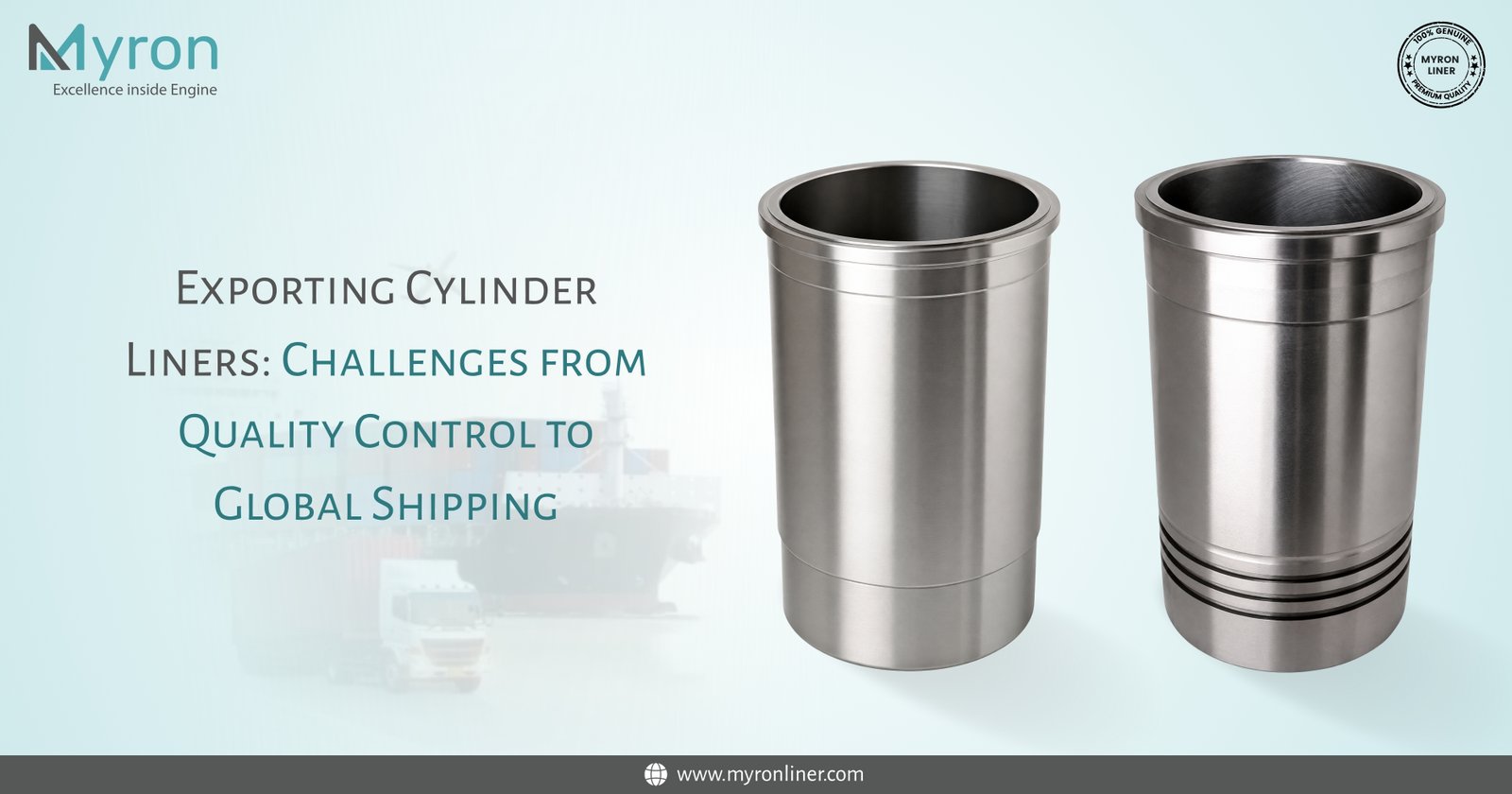
Exporting Cylinder Liners: Challenges from Quality Control to Global Shipping
Exporting cylinder liners is a critical part of the aftermarket engine parts industry. These precision-engineered components play a vital role in engine performance and longevity. But while manufacturing high-quality liners is complex, ensuring their successful delivery to international buyers presents another set of challenges. From quality control to global shipping logistics, exporters face numerous hurdles that require careful planning, expertise, and attention to detail.
In this blog, we’ll explore the key challenges involved in exporting cylinder liners, highlighting the processes that ensure both product quality and safe delivery worldwide.
Understanding the Importance of Cylinder Liners
Cylinder liners - sometimes referred to as cylinder sleeves - form the inner wall of an engine’s combustion chamber. Their job is to withstand high pressure, intense heat, and constant friction while maintaining smooth piston movement.
For exporters, the importance of this part cannot be overstated. A poorly manufactured or damaged cylinder liner can lead to:
- Reduced engine efficiency
- Increased wear and tear
- Higher maintenance costs for customers
- Loss of trust in the supplier
That’s why every step, from quality control to shipping logistics, needs to be executed with precision when exporting cylinder liners globally.
Quality Control: The Foundation of Reliable Cylinder Liners
When exporting engine components, quality control is the most critical challenge. Cylinder liners are designed for precision, and even the smallest defect can impact performance. Exporters must implement strict inspection processes to ensure that liners meet international standards before leaving the factory.
Common Quality Control Challenges
- Material Consistency – Using the right grade of cast iron or alloy is essential to achieve durability and resistance to wear. Any variation in material composition can lead to early failures.
- Dimensional Accuracy – Cylinder liners must be manufactured to exact measurements. Micron-level accuracy is often required, making thorough inspection essential.
- Surface Finish – Proper honing and finishing reduce friction and improve lubrication. Uneven finishing can shorten liner life.
- Cracks and Porosity – Invisible cracks or pores in the casting can compromise performance. Non-destructive testing methods are used to detect such defects.
Solutions for Better Quality Control
- Advanced CNC machining and testing equipment
- In-house metallurgical testing labs
- Third-party quality certifications
- Continuous monitoring of production batches
By investing in robust quality control systems, exporters can reduce rejection rates, improve customer satisfaction, and establish trust in the global market.
Packaging: Protecting Cylinder Liners for Export
Once quality checks are passed, the next challenge lies in packaging. Unlike consumer goods, cylinder liners are heavy, metallic components that require special handling.
Packaging Challenges
- Weight and Size – Cylinder liners are bulky and add significant weight to shipments.
- Rust Prevention – Exposure to moisture during transit can lead to rust formation.
- Impact Resistance – Rough handling at ports or during container loading can damage liners.
Packaging Best Practices
- Using rust-preventive oils or VCI (Volatile Corrosion Inhibitor) wraps
- Securing liners in wooden crates or reinforced cartons
- Labeling packages with handling instructions
- Palletizing shipments for easier transport and stacking
Proper packaging reduces risks during global shipping and ensures the product arrives in perfect condition.
Shipping Logistics: Challenges in Global Export
Exporting cylinder liners to international markets comes with a unique set of shipping logistics challenges. These range from documentation to transportation and customs clearance.
Key Shipping Challenges
1. Documentation and Compliance
- Exporters must prepare invoices, packing lists, bills of lading, and certificates of origin. Missing or incorrect documents can delay shipments.
2. Customs Regulations
- Every country has its own import rules for engine parts. Exporters must comply with standards, certifications, and duties to avoid fines or delays.
3. Transit Damage Risks
- Cylinder liners are at risk of damage due to rough handling, container shifts at sea, or unloading at ports.
4. Freight Costs
- Rising freight costs and container shortages add financial pressure. Cylinder liners are heavy, which increases shipping expenses further.
5. Delivery Delays
- Weather conditions, port congestion, or strikes can cause unexpected delays in global shipping.
Read More: Key Reasons for the High Global Demand for Indian Cylinder Liners
Overcoming Logistics Challenges
- Partnering with experienced freight forwarders who specialize in heavy engineering goods
- Using RFID seals, GPS tracking, and real-time shipment monitoring
- Choosing the right Incoterms (FOB, CIF, EXW) to balance responsibility and cost-sharing
- Building relationships with reliable shipping lines to ensure consistent schedules
By addressing these issues, exporters can make their shipping logistics more reliable and cost-efficient.
Balancing Costs and Customer Expectations
One of the toughest challenges in exporting cylinder liners is balancing costs with customer satisfaction. Buyers expect competitive pricing, but exporters must account for:
- Raw material fluctuations
- Manufacturing costs
- Packaging expenses
- Rising freight and fuel charges
- Customs duties and tariffs
Finding a balance between affordability and uncompromised quality requires strategic planning. Many exporters adopt lean manufacturing techniques, bulk shipping arrangements, and digital supply chain tools to reduce costs without cutting corners on quality.
Building Trust in International Markets
Global buyers of cylinder liners look for suppliers they can trust. Beyond product quality, exporters must provide:
- On-time delivery through reliable logistics networks
- Clear communication about order status and potential delays
- After-sales support for resolving customer concerns
- Certifications and compliance with international standards
Building long-term relationships with buyers not only improves business stability but also enhances brand reputation in competitive markets.
The Future of Cylinder Liner Exports
With rising globalization and the growth of the aftermarket automotive and marine industries, demand for cylinder liners is expected to increase. However, exporters must adapt to new trends:
- Digitalization of Shipping – Online documentation, blockchain-based tracking, and smart contracts are making global shipping more transparent.
- Sustainability Practices – Eco-friendly packaging and greener shipping options are becoming more important.
- Regional Trade Agreements – Free trade agreements can reduce tariffs and speed up delivery timelines.
- Technological Advancements – Use of automation, AI, and real-time data in logistics helps exporters manage risks better.
By staying updated with these changes, exporters can strengthen their position in the international aftermarket parts industry.
Myron Liners – Trusted Partner for Cylinder Liners
When it comes to aftermarket engine components, Myron Liners stands out as a trusted manufacturer and supplier of cylinder liners. With a strong focus on quality control, durability, and precision engineering, Myron Liners has built a reputation for delivering products that meet the toughest industry standards.
From advanced manufacturing techniques to reliable shipping logistics, the company ensures every product reaches customers worldwide safely and efficiently. If you are looking for a dependable partner in the aftermarket engine parts industry, explore more at Myron Liners – cylinder liner.
Final Thoughts
Exporting cylinder liners is not just about manufacturing; it’s about ensuring quality, durability, and reliability across the entire journey—from factory floors to global shipping routes. By overcoming challenges in quality control, packaging, and shipping logistics, exporters can build stronger trust with international buyers and succeed in the competitive aftermarket engine parts industry.
Reference:
Cylinder (engine) by Wikipedia[1].
FAQ
Q1. Why is quality control important in cylinder liner exports?
Quality control ensures that every cylinder liner meets strict standards for strength, dimensions, and durability. This prevents engine failures and builds customer trust in global markets.
Q2. What are the biggest challenges in global shipping of cylinder liners?
The main challenges include high freight costs, risk of damage during transit, customs regulations, and shipping delays. Proper packaging and reliable logistics partners help overcome these issues.
Q3. How are cylinder liners packaged for safe international shipping?
Cylinder liners are coated with rust-preventive oils, wrapped in protective VCI materials, and packed in reinforced wooden crates or cartons. Palletization further ensures safety during shipping.
Q4. What documents are required for exporting cylinder liners?
Key documents include invoices, packing lists, bills of lading, and certificates of origin. Correct documentation speeds up customs clearance and reduces delays in global shipping.
Q5. Who is a trusted supplier of aftermarket cylinder liners?
Myron Liners is a reliable manufacturer and supplier of cylinder liners, known for strict quality control and efficient global shipping. Learn more at Myron Liners.
Reference & Trademark Disclaimer
All manufacturer names, trademarks, logos, product names, part numbers, model numbers, descriptions, and other identifying references mentioned in this article are used for identification, reference, and cross-reference purposes only.
Such references do not imply any affiliation, association, authorization, sponsorship, approval, or endorsement by the respective manufacturers or trademark owners. All trademarks, brand names, product names, part numbers, and related intellectual property remain the property of their respective owners.
MYRON LINER LLP is an independent manufacturer and supplier of engine components. The use of any third-party name or reference is solely intended to help readers identify the applicable engine, component, or application.